




Call Us
Office Hours
Monday
10:00 am - 7:30 pm
Wednesday
10:00 am - 7:30 pm
Friday
10:00 am - 7:30 pm
Saturday
10:00 am - 3:00 pm
Please enter your zip code or city, state below for door-to-door directions.

Being told a tooth needs a root canal can feel worrying, but it’s often the most reliable way to stop persistent pain and keep a natural tooth intact. Modern endodontic care focuses on relieving discomfort, removing infection, and restoring a tooth’s function with treatments that are far more comfortable than many people expect.
At the office of Zhukovsky Dental, we combine up-to-date techniques with careful attention to patient comfort. Our goal is to preserve your smile whenever possible and to guide you through treatment with clear explanations and compassionate care.
Saving a tooth with root canal therapy protects the structure of your bite and helps maintain the alignment of surrounding teeth. When a tooth is removed instead, neighboring teeth can shift and the balance of your bite may change, creating additional problems down the line that can affect chewing and even jaw health.
Root canal treatment removes damaged or infected tissue from inside the tooth while leaving the outer structure intact. This approach often preserves chewing function and appearance better than extraction, and it allows a properly restored tooth to serve you effectively for many years.
Thanks to improved instruments and materials, success rates for modern root canal therapy are high. Most patients find that the procedure relieves the intense pain they arrived with and restores comfort and function quickly when combined with an appropriate final restoration, like a crown.

Each tooth contains a small chamber at its center that houses the dental pulp — a soft bundle of connective tissue, nerves, and blood vessels. While the pulp helps teeth develop and provides sensory feedback, it is vulnerable to decay, cracks, and direct trauma. When compromised, the pulp can become inflamed or infected.
Symptoms vary, but common signals that the inner part of a tooth is affected include lingering sensitivity to hot or cold, sharp pain when biting, or a tooth that gradually darkens in color. Sometimes an infection produces swelling or a low-grade ache that comes and goes; other times the problem is discovered on routine X-rays before you feel anything.
Not every ache means a root canal is required, but these signs warrant prompt evaluation. Early diagnosis often improves the chance that the tooth can be restored successfully and minimizes the spread of infection to nearby tissues.
Because internal tooth problems can present in different ways, it helps to know the most commonly observed signs so you can seek care without delay. Below are several indicators that should prompt a dental exam.
Pain that won’t settle — especially if it wakes you at night or intensifies over a short period — often reflects inflammation or infection inside the tooth. These symptoms should be assessed promptly to determine the appropriate treatment.
If hot or cold beverages cause a sharp or lingering reaction, the nerve tissue within the tooth may be irritated or damaged. Persistent thermal sensitivity is a common early clue of pulpal involvement.
Discomfort during chewing, or pain when the tooth is touched, can signal that the inner tissues are compromised or that an infection is affecting surrounding support structures.
A tooth that becomes discolored after an injury or over time may have experienced internal changes. Darkening can indicate that the pulp has been damaged or that bleeding has occurred within the tooth.
Structural damage from trauma can expose or injure the pulp. Even cracks that seem minor have the potential to let bacteria reach the interior of the tooth and create problems that require endodontic care.
Swelling near a tooth, or the appearance of a small pimple-like bump on the gum, can indicate an abscess or focal infection. These developments call for timely evaluation and treatment.
Advanced infection can affect the bone and ligaments that hold a tooth in place. If a tooth feels loose or its position shifts, it’s important to have it checked to determine whether root canal therapy can restore health.

Delaying evaluation or treatment when symptoms appear increases the risk that infection will progress. As an infection advances, it can damage surrounding bone and tissues, complicate treatment, and sometimes reduce the chances of saving the tooth.
Some teeth with pulpal problems show no obvious symptoms at first and are detected during routine exams or X-rays. That’s why regular dental visits matter: they allow a dentist to identify subtle changes early and recommend appropriate care before symptoms worsen.
When a root canal is advised, timely treatment helps control infection and preserve as much tooth structure as possible. In many cases, addressing the issue early reduces the need for more invasive procedures later on.
Root canal treatment focuses on removing the diseased or dead tissue from inside the tooth, gently cleaning and disinfecting the internal canals, then sealing them with a biocompatible material. Local anesthesia is used so most procedures are comfortable and pain-free while being performed.
The complexity of the procedure depends on the tooth’s anatomy and whether an active infection is present. Some teeth can be treated in a single visit; others may require more than one appointment to fully address infection and allow the area to heal between visits.
To help anxious patients, we offer options to make the experience more relaxing. After the internal work is complete, the tooth typically receives a protective restoration — often a crown — to restore strength and function and reduce the risk of fracture.
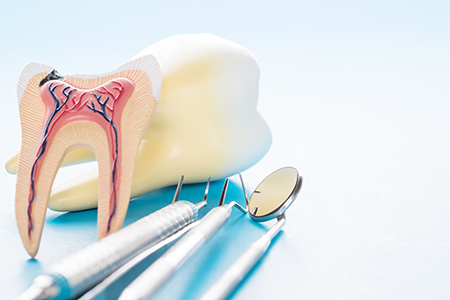
After treatment most patients notice immediate relief from the intense pain that brought them in. It’s common to feel mild soreness or pressure for a few days as the surrounding tissues settle. Over-the-counter pain relievers are usually effective for managing any temporary discomfort.
At times, your dentist may prescribe antibiotics when an active infection has spread or where there is significant swelling. If antibiotics are prescribed, take the full course exactly as instructed to support healing.
Protecting a treated tooth while it is being restored is important. Teeth that have undergone root canal therapy are more brittle and can fracture if subjected to heavy forces before a permanent restoration is placed. Your dentist will advise on temporary care and timelines for placing a durable crown or other restoration.
Aftercare also includes maintaining excellent oral hygiene and attending scheduled check-ups so your dentist can monitor healing and the integrity of the restoration. With proper care — brushing, flossing, and regular professional exams — a root canal–treated tooth can last for many years, often for the life of the patient.
Anesthesia can leave lips and cheeks numb for a little while. Avoid chewing or touching the area until normal feeling returns to reduce the chance of accidental biting.
Mild soreness is normal after treatment. Your dentist will recommend appropriate measures to keep you comfortable, and stronger medication may be prescribed if needed.
If antibiotics or pain medication are given, use them exactly as directed. Proper adherence supports a smoother recovery.
Until a permanent restoration is placed, chew on the opposite side when possible and avoid very hard or sticky foods that could damage temporary fillings.
Continue brushing and flossing the area gently. Good home care helps prevent new problems and supports long-term success.
Replacing the temporary filling with a permanent crown or restoration helps protect the tooth and restore full bite strength. Your dentist will discuss the recommended timing.
At Zhukovsky Dental, our approach to root canal care combines careful diagnosis, modern techniques, and a focus on patient comfort to help protect your oral health. If you’re experiencing symptoms or have questions about preserving a damaged tooth, please contact us to learn more and arrange an evaluation.
Root canal therapy is a dental procedure that removes diseased or injured pulp from inside a tooth and seals the canals to prevent reinfection. The pulp contains nerves and blood vessels that can become inflamed or infected due to decay, cracks, or trauma. By cleaning and filling the internal space, the tooth's outer structure can be preserved and normal function restored.
Treatment typically uses local anesthesia so the procedure is comfortable and largely pain-free while being performed. In many cases modern instruments and materials allow the tooth to be treated in one visit, though complex infections may require additional appointments. At Zhukovsky Dental, we focus on using current techniques and attention to comfort when recommending and performing endodontic care.
You should consider evaluation for a root canal when you experience persistent or worsening tooth pain, prolonged sensitivity to hot or cold, or visible changes like darkening of a tooth. These signs can indicate that the pulp is inflamed or infected and that the problem requires more than a simple filling. Routine X-rays and a clinical exam can also reveal pulpal problems before you notice symptoms.
Early assessment improves the likelihood of saving the natural tooth and limits the spread of infection to surrounding bone and tissues. Prompt diagnosis helps your dentist recommend the least invasive, most effective treatment. If the pulp is irreversibly damaged, root canal therapy is often the preferred option to preserve tooth structure and function.
Common indicators of an infected tooth include ongoing or severe pain that may wake you at night, heightened or lingering sensitivity to hot and cold, and pain when biting or applying pressure. You might also notice swelling near the tooth, a pimple-like bump on the gum, or gradual darkening of the tooth's color after trauma. In some cases a tooth becomes loose or the infection is only visible on an X-ray before symptoms appear.
Because symptoms vary widely, any persistent change in sensation, appearance, or function should be evaluated promptly. Early detection increases the chance of successful treatment and reduces the risk of complications. If you notice these signs, schedule an exam so your dentist can determine whether root canal therapy is necessary.
Modern root canal treatment begins with local anesthesia and isolation of the tooth to maintain a clean, dry field. The dentist accesses the pulp chamber, removes diseased tissue, and uses specialized instruments and irrigation to clean and shape the canals before filling them with a biocompatible material. Advanced tools such as dental microscopes, digital X-rays, and rotary instruments improve precision and cleaning efficiency.
The number of appointments depends on the complexity of the tooth and the presence of active infection; some teeth are treated in a single visit while others require multiple sessions to control infection and promote healing. Once the internal work is complete, the tooth is typically restored with a filling or crown to protect it from fracture and recontamination. Your dentist will explain each step and the expected timeline based on your individual case.
Most patients find that modern root canal procedures are comfortable because local anesthesia numbs the area thoroughly during treatment. Many people actually experience significant relief from the severe pain that brought them in, since the infected pulp causing the discomfort is removed. Dental teams also use techniques to minimize anxiety and improve comfort throughout the visit.
It is common to have mild soreness or sensitivity for a few days after the procedure as surrounding tissues settle, and over-the-counter pain relievers usually manage this effectively. If there is a significant infection, your dentist may recommend additional care such as a follow-up appointment or medication to support healing. Contact your dental provider if pain worsens or new symptoms develop after treatment.
After a root canal most patients notice rapid relief of intense pain, followed by a short period of mild tenderness that resolves in days. Your dentist will provide instructions about managing discomfort, caring for the treated tooth, and any medications if they are needed. Avoid chewing on the treated tooth until a final restoration is placed to reduce the chance of damaging a temporary filling.
Follow-up appointments are important to ensure the tooth is healing properly and to place a durable restoration, commonly a crown, that restores strength and function. Regular checkups and X-rays allow your dentist to monitor the area and confirm long-term success. Maintaining good oral hygiene and attending scheduled visits supports the longevity of the treated tooth.
Not every tooth can be saved with root canal therapy; the decision depends on factors such as the extent of decay or fracture, the tooth's structural integrity, prior treatments, and the health of surrounding bone and gum tissue. Teeth with vertical root fractures or severe structural loss may be poor candidates for endodontic therapy. Your dentist will evaluate these factors and discuss realistic outcomes for saving the tooth.
When a tooth cannot be restored predictably, extraction and replacement options such as an implant or bridge may be considered to restore function and protect adjacent teeth. In many cases, timely root canal treatment combined with an appropriate restoration preserves the natural tooth and avoids more complex procedures. A comprehensive exam and imaging help determine the best path for your oral health.
Teeth that have undergone root canal therapy are more brittle because the internal tissues have been removed and much of the remaining tooth structure may be weakened by decay or previous restorations. A crown protects the treated tooth from fracture, restores full chewing strength, and helps seal the tooth against bacterial leakage. This protective restoration is especially important for back teeth that endure heavy biting forces.
The timing for placing a crown varies with each case; some teeth receive a crown soon after treatment while others may need a short interim period for healing. Your dentist will recommend the appropriate restoration based on the tooth's condition and functional demands. A well-fitting crown significantly increases the long-term success of root canal-treated teeth.
You can reduce the likelihood of needing a root canal by practicing excellent oral hygiene, including thorough brushing and daily flossing to prevent decay and gum disease. Promptly treating cavities, addressing cracked or chipped teeth, and wearing a mouthguard during sports or bruxism events also help protect pulp health. Regular dental exams and X-rays allow early detection of problems before they progress to pulpal involvement.
Healthy habits such as limiting sugary snacks, avoiding tobacco, and seeking timely care for dental injuries further lower the risk of infection and the need for endodontic treatment. Staying engaged with your dental team and following their preventive recommendations supports long-term oral health and can prevent many issues that lead to more extensive care.
The office of Zhukovsky Dental emphasizes careful diagnosis, modern techniques, and a patient-centered approach to promote comfort and predictable results. We use effective local anesthesia, contemporary instruments, and diagnostic imaging to plan and execute treatment with precision. Options to reduce anxiety, clear explanations, and attentive support throughout the procedure help patients feel informed and at ease.
Success also depends on appropriate follow-up care and a protective final restoration, which our team coordinates to protect the treated tooth. Regular monitoring and maintenance through routine exams and professional cleanings help ensure long-term function and health. If you have symptoms or questions about root canal therapy, contact our Brooklyn office to arrange an evaluation and discuss your options.
Please enter your zip code or city, state below for door-to-door directions.