




Call Us
Office Hours
Monday
10:00 am - 7:30 pm
Wednesday
10:00 am - 7:30 pm
Friday
10:00 am - 7:30 pm
Saturday
10:00 am - 3:00 pm
Please enter your zip code or city, state below for door-to-door directions.

Gum disease is the leading reason adults lose teeth, and research shows it affects a large portion of the population. The Centers for Disease Control and Prevention estimates that roughly half of adults over 30 show signs of periodontal disease. The good news is most cases can be prevented or managed when identified early. At the office of Zhukovsky Dental in Brooklyn, we focus on practical, evidence-based care to protect your gum health and preserve your smile for years to come.
Periodontal disease starts when the thin film of bacteria called dental plaque builds up along the gumline. Left unchecked, plaque hardens into tartar (calculus) and creates an ongoing inflammatory response in the tissues that support your teeth — the periodontium. That inflammation is the root cause of the soft tissue and bone breakdown associated with gum disease.
Because early periodontal disease often produces few dramatic symptoms, many patients don’t realize a problem is developing until the condition has progressed. Regular dental exams and professional cleanings are the most reliable ways to detect early changes and stop disease before irreversible damage occurs.
Preventing and controlling gum disease revolves around two simple ideas: reduce the bacterial load through consistent home care, and remove hardened deposits with professional treatment when necessary. When those two goals are met, inflammation subsides and tissues can begin to recover.
Common warning signs of gum disease include:
Red, swollen, or tender gums
Bleeding during brushing or flossing
Receding gums or exposed root surfaces
Increased tooth sensitivity to hot or cold
Persistent bad breath or an unpleasant taste
Teeth that feel loose or shifting positions
New gaps between teeth or changes in how your bite feels
Partial dentures that no longer fit properly
Pus or discharge near the gumline
Discomfort when chewing or biting
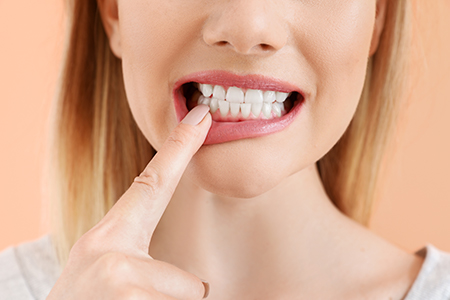
Healthy gums do more than hold teeth in place; they act as a barrier between your mouth’s bacteria and the rest of your body. When periodontal inflammation is present, bacteria and inflammatory mediators can enter the bloodstream and influence other systems. That connection helps explain why researchers continue to explore links between gum disease and conditions such as cardiovascular disease, diabetes, and certain respiratory problems.
For people with chronic conditions like diabetes, the relationship is bidirectional: uncontrolled blood sugar raises the risk and severity of periodontal disease, while active gum inflammation can make blood sugar harder to manage. That’s why periodontal care is an important part of general health maintenance for many patients.
Taking care of your gums is therefore an investment in more than just your smile. Routine periodontal assessments and timely treatment help reduce inflammation, improve oral comfort and function, and support overall health goals you may have with your medical providers.
Gingivitis is the earliest, most treatable phase of gum disease. It shows up as redness, swelling, or bleeding when you brush or floss, but it has not yet caused permanent loss of bone or connective tissue. Because gingivitis can be reversed with appropriate care, catching it early is a powerful way to avoid more extensive treatment down the line.
Typical first-line measures for gingivitis include professional dental cleanings to remove plaque and tartar above and just below the gumline, paired with a deliberate improvement in daily oral hygiene. Small technique changes — better brushing, consistent flossing or interdental cleaning, and the right antimicrobial rinses when recommended — often yield measurable improvement within weeks.
Patients who maintain a disciplined home routine and keep regular maintenance visits can usually expect gingival inflammation to resolve. When behavior and prevention fall short, however, the disease can progress to a stage where deeper treatment is required.

Periodontitis is the advanced form of gum disease where the supporting structures of the teeth — the ligament and the jawbone — begin to break down. As pockets form between the tooth and the gum and bone is lost, teeth can become unstable and oral function may be compromised. At this stage, treatment focuses on stopping active destruction and restoring support where possible.
Progression from mild to moderate or severe periodontitis varies among individuals and depends on factors like oral hygiene, smoking, systemic health, genetics, and the presence of certain medications. Examination, periodontal charting, and diagnostic imaging help clinicians determine disease extent and design an appropriate plan.
Contemporary periodontal therapy aims to control infection, reduce pocket depth, and regenerate lost tissues when feasible. Techniques such as guided tissue regeneration, bone grafting, and carefully planned restorative work can improve both function and long-term prognosis when combined with ongoing maintenance.
Choosing the right approach begins with a thorough assessment of pocket depths, gum health, the amount of tartar, and any bone loss. Your clinician will consider medical history, medications, and lifestyle factors to recommend a course of care that balances effectiveness with the least invasive option appropriate for your needs. Our goal is always to restore and preserve periodontal health while keeping treatment practical and understandable for patients.

When disease is identified early or remains limited, non-surgical treatments are often the first choice. Scaling and root planing — carefully removing plaque and tartar from below the gumline and smoothing the root surfaces — reduce the bacterial load and promote reattachment of healthy tissue.
Adjunctive measures such as localized antimicrobial agents or short courses of systemic medication may be recommended in select cases to improve outcomes. Equally important is strengthening daily oral care habits, which are essential for sustaining the benefits of professional therapy.
Regular periodontal maintenance visits after initial therapy help monitor healing, control recurrence, and keep inflammation at bay so that conservative care remains effective over the long term.
If pockets are deep or bone loss is significant, surgical intervention may be necessary to access and thoroughly clean the area, reshape damaged tissues, and create conditions for healing. Flap surgery — temporarily reflecting the gum to remove deposits and recontour bone — is a commonly used technique when non-surgical care cannot reach the affected sites.
Regenerative procedures, including bone grafts and tissue-guided regeneration, are designed to restore lost support and improve long-term stability of teeth. In some situations, minimally invasive laser procedures can also play a role in reducing pocket depths and treating infected tissue.
The overarching goals of surgical care are to eliminate subgingival bacteria, protect remaining bone, and make daily hygiene more effective so patients can maintain the improvements achieved through treatment.
Remove bacterial deposits beneath the gums and on root surfaces
Stabilize or rebuild bone and soft tissues where possible
Reduce pocket depth to enable effective home care and maintenance
Whether your needs call for preventive care, non-surgical therapy, or more advanced periodontal procedures, we design treatment plans around clear goals: stop active disease, restore healthy function, and help patients maintain progress over time. If you have concerns about bleeding gums, bad breath, shifting teeth, or any other symptom, don’t hesitate to reach out. Contact the office of Zhukovsky Dental to learn more and arrange an evaluation — we’re here to answer your questions and help you keep your smile healthy.
Periodontal disease, commonly called gum disease, begins when dental plaque builds up along the gumline and hardens into tartar, triggering an inflammatory response in the tissues that support the teeth. This chronic inflammation damages the periodontium, which includes the gums, connective tissue and jawbone, and can eventually lead to tooth loosening or loss if left unchecked. The Centers for Disease Control and Prevention estimates that roughly half of adults over 30 show signs of periodontal disease, making early recognition and treatment important.
At Zhukovsky Dental in Brooklyn we emphasize practical, evidence-based care to identify problems early and protect gum health. Routine exams and professional cleanings remove deposits that home care can miss, while personalized prevention plans reduce the risk of progression. When disease is detected, targeted therapies are used to halt inflammation and preserve oral function.
Early gum disease often produces subtle symptoms that people may dismiss, including red, swollen or tender gums and bleeding during brushing or flossing. Other warning signs include persistent bad breath, receding gums that expose root surfaces, increased tooth sensitivity, and changes in how teeth fit together when you bite. In more advanced cases patients may notice loose teeth, new gaps between teeth, pus near the gumline, or discomfort when chewing.
Because many symptoms develop gradually, regular dental checkups are the most reliable way to catch disease before it becomes destructive. If you experience any of these signs, contact a dental professional promptly so they can assess your periodontal health and recommend appropriate care. Early intervention improves the chances of reversing damage and avoiding more invasive procedures.
Gingivitis is the earliest stage of gum disease and is limited to inflammation of the gum tissue without permanent loss of bone or connective tissue. It typically appears as redness, swelling and bleeding but is reversible with effective professional cleaning and improved daily oral hygiene. Catching gingivitis early allows tissues to heal and prevents progression to more severe disease.
Periodontitis is the advanced stage in which pockets form between the tooth and gum and the supporting bone and ligament begin to break down. Treatment for periodontitis focuses on controlling infection, reducing pocket depth and, when possible, regenerating lost tissues through guided tissue techniques or bone grafting. Because bone loss can be permanent, ongoing maintenance and monitoring are essential after treatment.
Diagnosis begins with a comprehensive periodontal assessment that includes measuring pocket depths around each tooth with a periodontal probe and charting any bleeding on probing, recession, or mobility. Your dentist or hygienist will review medical history, medications and lifestyle factors that influence periodontal risk, and will use diagnostic imaging when needed to evaluate bone levels. Together these findings create a clear picture of disease extent and severity.
The diagnostic information guides treatment decisions and helps prioritize sites that need immediate attention. Periodontal charting is repeated over time to monitor response to therapy and detect recurrence early. Clear documentation also supports collaboration with medical providers when systemic health issues affect periodontal management.
Conservative, non-surgical therapy is often the first line of treatment when periodontal disease is identified early or remains limited. Scaling and root planing, which remove plaque and tartar from below the gumline and smooth root surfaces, reduce bacterial load and encourage reattachment of healthy tissue. These procedures can be performed with local anesthesia for comfort and are frequently paired with focused oral hygiene instruction.
Adjunctive options include localized antimicrobial agents or short courses of systemic medication in select cases to improve outcomes. Equally important is the patient’s commitment to daily home care and regular periodontal maintenance visits to control recurrence. When non-surgical therapy achieves clinical improvement, it can often prevent the need for more invasive procedures.
Surgical intervention is considered when pockets are deep, bone loss is significant, or non-surgical therapy cannot adequately access infected areas. Common surgical techniques include flap surgery to expose roots for thorough cleaning and recontouring of bone, and regenerative procedures such as bone grafting and guided tissue regeneration to restore lost support. Minimally invasive laser-assisted procedures may also be used in appropriate cases to reduce pocket depths and treat infected tissue.
The goals of surgical care are to eliminate subgingival bacteria, stabilize or rebuild bone and soft tissues, and create conditions that make daily hygiene more effective. Treatment planning takes into account the patient’s overall health, smoking status, and ability to maintain improved home care. Recovery typically involves short-term swelling or sensitivity and follow-up visits to monitor healing and long-term stability.
Gum disease is not confined to the mouth; the bacteria and inflammatory mediators associated with periodontal inflammation can enter the bloodstream and influence other body systems. Researchers have identified links between periodontal disease and cardiovascular conditions, respiratory issues, and complications in pregnancy, although these relationships are complex and still being studied. Chronic inflammation in the mouth contributes to the overall inflammatory burden on the body.
For patients with diabetes the connection is particularly important and bidirectional: uncontrolled blood sugar increases the risk and severity of periodontal disease, while active gum inflammation can make blood glucose harder to manage. Coordinated care between dental and medical providers, along with effective periodontal treatment, can support broader health goals and improve outcomes for patients with chronic conditions.
Scaling and root planing is typically performed over one or more appointments and may be done quadrant by quadrant depending on the treatment plan. Local anesthesia is commonly used to ensure patient comfort while the hygienist or dentist removes plaque and hardened calculus from below the gumline and smooths rough root surfaces. Patients may feel pressure or vibration during the procedure but generally report minimal pain when anesthesia is used.
After treatment it is normal to experience some sensitivity, mild bleeding or tenderness for a few days as tissues begin to heal, and these symptoms usually improve with careful home care and any recommended rinses or medications. Follow-up visits are scheduled to assess healing and determine whether additional therapy or periodontal maintenance is needed. With consistent oral hygiene and professional monitoring, many patients see measurable improvement in pocket depths and gum health within weeks to months.
Preventing gum disease starts with a disciplined daily routine that removes bacterial plaque before it hardens into tartar: brush twice a day with a fluoride toothpaste, clean between teeth daily with floss or interdental brushes, and consider an antimicrobial mouth rinse when recommended. Tobacco cessation and effective control of systemic conditions such as diabetes are also critical steps that lower periodontal risk. Small technique improvements and consistency in home care produce meaningful reductions in inflammation.
Regular professional cleanings and periodontal assessments are essential complements to home care because clinicians can remove hardened deposits and detect early changes that patients may not notice. A personalized prevention plan, including frequency of maintenance visits and targeted oral hygiene instruction, helps patients sustain long-term results. Nutrition, hydration and avoiding behaviors that concentrate bacterial growth further support gum health.
After active periodontal therapy many patients transition to a periodontal maintenance schedule that is individualized based on disease severity, healing response and risk factors; a common interval for those with a history of periodontitis is every three months, though some patients require more or less frequent visits. Maintenance appointments focus on removing new deposits, monitoring pocket depths and inflammation, and reinforcing effective home care. Consistent recall appointments are one of the best predictors of long-term success in preserving teeth and gum support.
The office of Zhukovsky Dental takes a collaborative approach to long-term periodontal care, combining thorough assessments, clear treatment goals and patient education to sustain improvements over time. Treatment plans are adjusted as needed and coordinated with medical providers when systemic issues affect oral health. The overarching objective is to stop active disease, restore function where possible, and help patients maintain a healthy, comfortable smile for life.
Please enter your zip code or city, state below for door-to-door directions.