




Call Us
Office Hours
Monday
10:00 am - 7:30 pm
Wednesday
10:00 am - 7:30 pm
Friday
10:00 am - 7:30 pm
Saturday
10:00 am - 3:00 pm
Please enter your zip code or city, state below for door-to-door directions.

At Zhukovsky Dental, we focus on building healthy foundations for children's smiles — combining gentle care, clear guidance for parents, and careful monitoring as young mouths grow and change. Our pediatric dentistry services are designed to prevent problems before they start, to treat issues with minimal stress, and to give families the information they need to keep teeth and gums strong through every stage of childhood.

A child’s first dental visits set the tone for a lifetime of oral health. Early appointments allow the dentist to check how teeth and jaws are developing, identify habits that could cause problems, and offer practical tips for parents on cleaning, teething, and nutrition. When care begins in infancy or toddlerhood, many issues can be caught and managed before they become more complex.
These early visits are not just clinical exams — they are opportunities to build familiarity and trust. We use a calm, child-centered approach that helps children feel comfortable while parents learn age-appropriate routines for brushing, flossing, and preventing decay. Gentle explanations, simple demonstrations, and positive reinforcement make visits constructive for both kids and families.
Prevention is the leading priority in pediatric dentistry. Regular checkups help the team track tooth eruption patterns, spot early signs of cavities or misalignment, and recommend timely interventions. Parents leave appointments with concrete steps to protect their child’s smile, from dietary adjustments to practical brushing techniques that work in busy households.
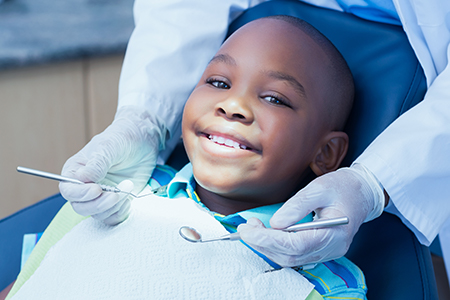
During routine visits we perform a careful visual exam of the teeth, gums, and soft tissues, and assess bite and jaw growth. If indicated, digital radiographs may be taken to evaluate areas that can't be seen during a standard exam. These tools allow us to find cavities, check for developing problems, and monitor the position of incoming permanent teeth while minimizing exposure and discomfort.
Professional cleanings remove plaque and tartar in places that brushing and flossing can miss, and we use age-appropriate polishing and fluoride strategies to strengthen enamel. Each appointment also includes straightforward coaching for home care so parents and children can adopt practical habits that reduce the need for future treatment.
We tailor the frequency and content of visits to each child’s needs. Children at higher risk for decay or with special dental concerns may need additional monitoring, while others benefit from routine six-month care. Our goal is early detection, timely guidance, and a predictable plan that supports steady oral health as your child grows.
Tooth decay remains a common childhood condition, but it is largely preventable. Daily brushing with a soft-bristled toothbrush, careful supervision until a child can brush effectively alone, and limiting sugary snacks and drinks are the foundation of prevention. Small, consistent changes — replacing juice with water, offering fresh fruit instead of candy, and creating a short, fun brushing routine — make a big difference.
Professional measures such as fluoride varnish and dental sealants provide extra protection where it's needed most. Fluoride strengthens enamel and helps resist acid attacks, while sealants create a barrier over the grooves of back teeth that are difficult to clean. We discuss these options with families and apply them when they fit a child’s individual risk profile.
Beyond daily care, parents play a key role in modeling healthy habits. Regular mealtimes, supportive guidance on pacifier or thumb-sucking habits, and age-appropriate explanations about oral health encourage responsibility and reduce anxiety. When families work together with the dental team, children are more likely to develop lasting, positive habits.
Introduce dental visits early and keep them positive so appointments become a normal part of life.
Brush gently twice a day with a soft brush; supervise young children and help until brushing is effective.
Avoid putting babies to bed with bottles containing milk or juice to reduce nighttime decay risk.
Bring children in for scheduled exams and cleanings so the team can catch issues early.
Set an example at home by practicing good oral habits alongside your child.
Choose snacks that support dental health, emphasize water over sugary beverages, and limit frequent sweet snacking.
Help children through transitions such as weaning off pacifiers or stopping thumb-sucking with patience and positive reinforcement.
Use a properly fitted mouthguard for contact or high-impact sports to protect teeth and soft tissues.

Many parents are surprised to learn that oral care begins before all the teeth appear. Gently wiping gums after feedings, avoiding prolonged exposure to sugary liquids, and introducing a soft brush when teeth erupt establishes a healthy routine. Pediatric guidance around teething comfort, safe soothing tools, and early hygiene sets the stage for smoother transitions into independent brushing.
Professional guidance is recommended by national dental organizations to begin around the first birthday or when the first tooth appears. These early visits give parents clear steps for cleaning, advice on fluoride use appropriate for a child’s age, and reassurance about typical developmental timelines. Simple preventive measures at this stage protect baby teeth and support proper speech, chewing, and jaw development.
If teething causes discomfort, safe, time-tested approaches such as refrigerated (not frozen) teething rings, gentle gum massage, or a cool cloth can help. For any concerns about unusual swelling, persistent fever, or behavior changes, seek prompt dental or medical advice — early attention prevents complications and keeps children comfortable through developmental milestones.
Children are active and injuries to the mouth can occur. Quick, informed action can preserve teeth and limit long-term consequences. For a knocked-out permanent tooth, holding it by the crown (not the root), rinsing briefly without scrubbing, and placing it back in the socket if possible — or storing it in milk or the child’s saliva — can significantly improve chances of successful re-implantation when seen promptly by a dentist.
Chipped or fractured teeth, facial lacerations, and severe toothaches all deserve timely evaluation. Even when an injury looks minor, internal damage or developing infection may not be immediately visible. Our approach prioritizes pain relief, assessment with appropriate imaging, and a treatment plan that aims to restore function while minimizing distress for the child.
Preventive preparation helps reduce emergency visits: wearing mouthguards during sports, supervising rough play, and ensuring timely dental care all lower risk. When emergencies do occur, families should seek care promptly — rapid response can protect a child’s long-term oral health and reduce the need for more invasive procedures later.
A child’s emotional experience at the dentist influences their lifelong attitude toward care. We focus on creating a welcoming environment, using clear, age-appropriate explanations, and giving children choices that foster a sense of control. Simple strategies — like letting a child inspect instruments, scheduling shorter visits at first, or using distraction techniques — can turn fearful visits into confident ones.
Some children benefit from stepped, supportive approaches that build tolerance over time. For those with heightened anxiety, sensory differences, or special healthcare needs, we work with families to design personalized plans that include extra time, calming communication methods, and a team trained in pediatric behavior guidance. When sedation or other supportive measures are appropriate, we discuss options carefully and prioritize safety.
Our broader aim is to help every child leave the office feeling respected and capable. Positive early experiences, consistent routines, and clear communication between parents and providers make it far more likely that children will accept routine care and adopt healthy habits that last into adulthood.
In summary, pediatric dental care is about more than clean teeth — it’s a partnership that supports growth, comfort, and confidence from infancy through the teen years. If you’d like to learn more about our pediatric services or how to protect your child’s smile at every stage, please contact us for additional information.
The American Academy of Pediatric Dentistry recommends a first dental visit by the child’s first birthday or within six months of the first tooth erupting. Early visits let the dental team assess growth, identify potential concerns, and introduce positive habits that protect baby teeth. These appointments are short, gentle, and geared toward making future visits familiar and stress-free.
At the office of Zhukovsky Dental we use early visits to coach parents on cleaning techniques, teething care, and diet choices that reduce decay risk. Establishing regular checkups from infancy helps the practice monitor development and intervene when needed before problems become more complex. Families leave with clear, practical steps they can use at home to support healthy oral development.
Most children benefit from dental exams and cleanings every six months, but frequency can vary based on individual risk factors. Children with higher cavity risk, developmental concerns, or orthodontic issues may need more frequent visits for monitoring and preventive treatments. The team evaluates diet, hygiene, and eruption patterns to determine a personalized recall schedule.
Regular visits create opportunities for timely fluoride applications, sealant placement, and early diagnosis of alignment or bite problems. Consistent preventive care reduces the need for extensive treatment later and supports steady oral health as permanent teeth come in. Your dentist will explain the recommended interval and the reasons behind it at each visit.
Daily habits are the foundation of cavity prevention: brush twice a day with a soft toothbrush and a pea-sized amount of fluoride toothpaste once a child is able to spit. Supervise and assist young children until their brushing is effective, and establish a short, consistent routine that makes oral care predictable and positive. Limiting sugary snacks and replacing sweet drinks with water throughout the day greatly reduces acid attacks on enamel.
In addition to home care, discuss fluoride varnish and dental sealants with your dentist as targeted preventive measures for higher-risk children. Encourage balanced meals, avoid putting a baby to bed with bottles containing milk or juice, and model good oral habits as a family. Small, steady changes at home have a big impact on long-term dental health.
Dental sealants are a thin, protective coating applied to the chewing surfaces of permanent molars to block out food and bacteria that cause decay. Sealants are most effective when placed soon after the first permanent molars erupt, typically between ages 6 and 14, but they can be used on primary molars when appropriate. Application is quick, painless, and does not require drilling.
Your child’s dentist will assess cavity risk, tooth anatomy, and oral hygiene to determine whether sealants are recommended. When combined with regular brushing, fluoride, and routine checkups, sealants substantially lower the chance of developing cavities in hard-to-clean grooves. The dental team will also check sealants at visits and reapply them if wear occurs.
Fluoride is a well-established tool for strengthening enamel and reducing cavities when used at appropriate levels for a child’s age. Professional fluoride treatments, like varnish, are applied in the dental office and provide a concentrated dose that helps teeth resist acid attacks. These treatments are commonly recommended for children at elevated risk for decay or those with inadequate fluoride exposure from other sources.
Your dentist will discuss the benefits and any precautions based on your child’s age, dental history, and drinking water fluoride level. When used correctly, fluoride treatments are safe and effective and are part of a broader preventive strategy that includes brushing, diet, and sealants. Careful guidance ensures your child receives the right balance of preventive measures.
Creating a calm, supportive environment is central to our approach for children who feel anxious about dental care. We use child-centered communication, clear explanations, and choices that give children a sense of control, such as letting them inspect an instrument or pick a reward at the end of the visit. Short, scheduled visits and distraction techniques can build tolerance over time and make routine care more manageable.
For children with stronger anxiety, sensory needs, or special healthcare requirements, the team develops individualized plans that may include extra acclimation time, specialized communication methods, or gentle behavior guidance. When appropriate and safe, we will discuss sedation options and coordinate care with pediatric specialists. The goal is always to prioritize safety while helping children feel respected, understood, and increasingly confident.
Quick action after a dental injury can improve the long-term outcome, especially for knocked-out permanent teeth. For a permanent tooth that has been avulsed, handle the tooth by the crown, avoid touching the root, rinse briefly if dirty, and attempt to reinsert it if possible; otherwise keep it moist in milk or the child’s saliva and seek emergency dental care right away. For baby teeth, avoid reimplantation and seek prompt evaluation to assess damage and pain control.
Chipped, fractured, or displaced teeth also require timely assessment because internal damage or infection may not be obvious initially. The dental team will evaluate the injury, obtain any needed imaging, and recommend a treatment plan focused on pain relief, protection of developing teeth, and restoration when required. Preparing a simple emergency plan and using mouthguards during sports can reduce the risk of serious injury.
Parents should watch for signs of misalignment as primary teeth erupt and permanent teeth begin to appear, including persistent thumb-sucking beyond age 4, difficulty biting or chewing, or asymmetry in jaw growth. Early evaluation can identify habits or developmental patterns that influence how the bite forms and whether early intervention could simplify future treatment. In many cases, monitoring is sufficient, but timely referrals to an orthodontist may be recommended for progressive issues.
Early interceptive care can sometimes guide jaw growth or create space for incoming teeth, reducing the complexity of later orthodontic treatment. Your dentist will track eruption patterns at regular visits and discuss when an orthodontic consultation is appropriate. Open communication about growth milestones and any concerns helps create a predictable plan for healthy alignment.
Oral care begins even before all baby teeth appear; gently wiping a baby’s gums after feedings and avoiding prolonged exposure to sugary liquids lays the groundwork for healthy teeth. When teeth erupt, introduce a soft brush and a smear of fluoride toothpaste as recommended, and use chilled (not frozen) teething rings or a cool cloth to soothe discomfort. Routine guidance on pacifier use and weaning from bottle or sippy cup helps reduce risk of decay around new teeth.
Professional advice is typically recommended by the first birthday or when the first tooth appears to ensure parents have age-appropriate recommendations for brushing, fluoride, and feeding practices. The dental team can reassure families about normal developmental patterns and provide specific strategies for sleep, feeding, and comfort that protect oral health. Early reassurance and consistent routines promote smoother transitions to independent brushing and regular dental care.
Children with special healthcare needs often require tailored dental care that accounts for medical history, sensory sensitivities, and coordination with other providers. The practice emphasizes extra time, individualized communication strategies, and staff training in behavior guidance techniques to make visits accessible and effective. Treatment plans consider the child’s comfort, cooperation level, and overall health to provide safe, comprehensive care.
When necessary, the dental team works closely with pediatricians, therapists, and family caregivers to coordinate appointments, manage anxiety, and determine the safest approaches to treatment. Adaptations might include modified scheduling, use of stabilizing supports, or referral for specialized anesthesia when appropriate. The aim is to provide respectful, practical care that supports each child’s oral health within the context of their broader needs.
Please enter your zip code or city, state below for door-to-door directions.