



Call Us
Office Hours
Monday
10:00 am - 7:30 pm
Wednesday
10:00 am - 7:30 pm
Friday
10:00 am - 7:30 pm
Saturday
10:00 am - 3:00 pm
Please enter your zip code or city, state below for door-to-door directions.

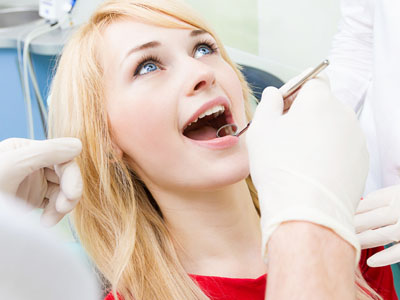
At the office of Zhukovsky Dental, we take a preventive-first approach to oral health. Regular, focused oral exams allow our team to identify small changes before they become larger problems, protecting your smile and saving time and stress down the road. Beyond cavity checks, these visits are an opportunity to review medications, lifestyles, and medical history so we can tailor care to your individual needs.
During a routine exam we combine a careful visual inspection with targeted diagnostic tools and patient education. Our goal is to give you a clear picture of your oral health and a practical plan to maintain or improve it. That plan may include professional cleanings, screenings for oral cancer, or recommendations for additional imaging when needed.
We strive to make every exam a collaborative experience: we listen to your concerns, explain our findings in plain language, and outline sensible next steps. Patients who understand their oral health are better equipped to protect it, and that partnership is central to the care we provide in Brooklyn.
Your initial visit sets the baseline for future care. We begin by reviewing your medical and dental history to identify factors that could influence dentistry—everything from current medications to previous treatments and any symptoms you might be experiencing. That background shapes the exam and guides decisions about diagnostic imaging and preventive measures.
Next, we perform a head-to-toe oral evaluation. This includes a close inspection of the teeth, gums, tongue, and soft tissues, assessment of periodontal (gum) health, and an evaluation of how your teeth come together (occlusion). We also examine the temporomandibular joint (TMJ) for signs of strain, pain, or dysfunction that can affect chewing and jaw comfort.
If indicated, we’ll take diagnostic x-rays to see beneath the surface—between teeth, around roots, and into the jawbone. After collecting this information, we’ll review our findings with you and discuss appropriate options, from simple preventive steps to any restorative or specialist referrals that may be necessary. Our focus is clear: help you understand what’s happening and why, then collaborate on the best path forward.
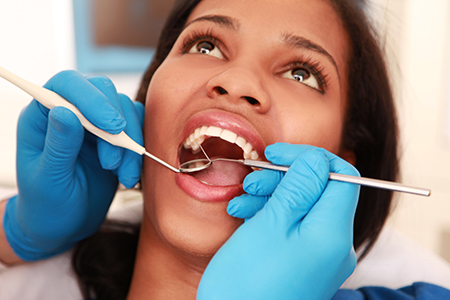
The mouth is a window to the rest of the body. Patterns we see during an oral exam—such as persistent inflammation, unusual lesions, or chronic dry mouth—can sometimes point to underlying health concerns. Recognizing these signs early allows us to coordinate with your medical providers when appropriate and to monitor changes closely over time.
Research continues to show links between oral conditions and systemic health. Inflammation from untreated gum disease, for example, has been associated with risks that affect the respiratory and cardiovascular systems. While an oral exam does not diagnose systemic disease, it can detect warning signs that warrant further medical attention.
We also screen for oral cancer as part of a routine exam. Early detection dramatically improves outcomes, so we check the lips, tongue, cheeks, floor of the mouth, and throat for any irregularities. If we find something that requires further evaluation, we’ll explain the next steps and help you arrange timely follow-up care.
Many general health issues first show symptoms in the mouth—changes in taste, ulcers, excessive dryness, and unusual bleeding can all be clues. If you notice any persistent or unexplained oral symptoms between appointments, it’s important to schedule a checkup so we can investigate.
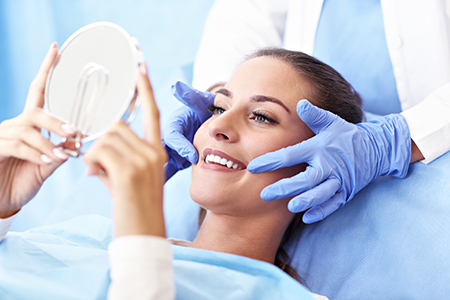
Routine exams paired with professional cleanings are the foundation of lasting oral health. Even the most diligent at-home care can miss plaque and hardened tartar that accumulate in hard-to-reach places. Our hygienists remove that buildup to reduce the bacteria that cause cavities and gum disease, then polish and finish so your mouth feels fresh.
Regular visits also give us the chance to track subtle changes over time. Small shifts in tooth position, early decay, or slightly elevated gum measurements can all be monitored and managed before they require extensive treatment. For many patients, this early-intervention approach keeps care simpler and more predictable.
Education is another key benefit of routine care. During checkups we demonstrate brushing and flossing techniques tailored to your needs, review helpful products, and suggest daily habits that protect your smile. For families, these visits are an opportunity to establish healthy routines for children and to monitor dental development as they grow.
At Zhukovsky Dental, our team emphasizes comfort and clarity during every visit. We aim to make checkups efficient, informative, and reassuring so patients feel confident about the status of their oral health and the steps needed to keep it that way.
Visual inspection is essential, but x-rays reveal the parts of your smile a mirror can’t: the roots of teeth, the bone that supports them, and the spaces between teeth where cavities often start. Radiographs are a diagnostic tool that allow us to find problems early and plan treatment with greater accuracy.
Modern digital radiography makes these images quick and safe to capture. Digital sensors require minimal radiation compared with older film techniques and provide clear images instantly, so we can review findings with you right away. Digital images are also easy to store and share securely when consultation with specialists is needed.
Because every patient’s needs differ, we only use the types and frequency of x-rays necessary for effective care. When images are recommended, we’ll explain their purpose and what information we hope to gain so you understand how they contribute to your treatment plan.
Reduced exposure to radiation compared with traditional film
Immediate viewing so diagnoses and recommendations can be discussed during your visit
Easy storage and secure sharing with other healthcare providers when coordination is needed
No chemical processing, making digital imaging quicker and more environmentally friendly
Images are saved in your electronic chart for long-term tracking and comparison
Different x-rays serve different purposes, and we select the right ones based on your exam and treatment needs. Small, focused films can highlight a single tooth and its root, while broader images show entire sections of the mouth or both jaws at once. Understanding these distinctions helps you know what we’re looking for and why.
Common types of dental imaging we use include:
Periapical x-ray - A targeted image that shows a whole tooth from crown to root and the surrounding bone, useful for spotting root problems or infections.
Bitewing x-ray - This view focuses on the crowns of the back teeth and is especially helpful for detecting decay between teeth.
Full mouth series - A comprehensive set of periapical and bitewing views that give a complete overview of the teeth and supporting structures.
Panoramic film (panorex) - A single sweeping image of both jaws that helps assess tooth development, impacted teeth, and the jawbone’s overall condition.
Cephalometric film - A profile view used most often in orthodontic planning to evaluate facial growth and jaw relationships.
For complex planning—such as evaluating bone for dental implants or assessing intricate anatomy—we may recommend cone-beam computed tomography (CBCT). CBCT provides three-dimensional views that help with precise diagnosis and surgical planning. Your dentist will explain the value of any advanced imaging and how it supports safe, effective treatment.
During a routine oral exam our team performs a thorough visual inspection of the teeth, gums, tongue and other soft tissues to identify signs of decay, inflammation, or abnormal lesions. We assess periodontal health with gentle probing to measure gum attachment and check for pockets that could indicate gum disease. The dentist will also evaluate your bite and the temporomandibular joint for signs of strain, wear, or dysfunction that can affect chewing and comfort.
In many exams we review restorations such as crowns and fillings to confirm they remain intact and functional, and we discuss any symptoms or changes you may have noticed. If needed, we recommend targeted diagnostic imaging to see between teeth and beneath the surface of the bone. After gathering findings we explain observations in plain language and outline practical next steps to protect or improve your oral health.
Frequency of oral exams is individualized based on your oral health, medical history and risk factors, but many patients benefit from visits every six months. People with a history of gum disease, frequent cavities, dry mouth or certain medical conditions may need more frequent monitoring and preventive care. Your dentist will recommend a schedule tailored to your needs after reviewing your exam findings and overall risk profile.
Consistency matters because oral exams allow the team to track subtle changes over time and intervene early when problems first appear. Regular appointments also provide opportunities to update medical history, review medications and reinforce home-care techniques. Sticking to a recommended recall interval helps keep treatment simpler and outcomes more predictable.
X-rays reveal areas a visual exam cannot, including decay between teeth, the roots of teeth, bone levels around teeth and developing problems below the gum line. These images help the dentist detect early disease, assess root health and plan restorative or surgical treatment when necessary. Using digital radiography allows us to capture high-quality images quickly while minimizing radiation exposure compared with older film techniques.
Because each patient is different, we recommend only the types and frequency of imaging needed for safe, effective care and diagnosis. When x-rays are recommended we explain what the images will show and how they inform treatment decisions. Digital images are also stored in your chart for long-term comparison and secure sharing with specialists when coordination is required.
An oral cancer screening is a routine part of most comprehensive exams and begins with a careful visual inspection and palpation of the lips, tongue, cheeks, floor of the mouth and throat. The dentist looks for unusual lumps, persistent sores, color changes or areas that feel different from surrounding tissue, and notes any suspicious findings for closer monitoring. We also review risk factors such as tobacco use, alcohol consumption and extended sun exposure to the lips when assessing overall risk.
Early detection of suspicious lesions greatly improves outcomes, so when we identify an area of concern we outline the next steps and help arrange timely follow-up, which may include biopsy or referral to an oral medicine specialist. We document findings and monitor any changes closely over time so you and your care team can respond promptly. If you notice any persistent mouth sores or lumps between visits, report them promptly so we can evaluate them without delay.
The mouth often reflects broader health, and patterns observed during an oral exam can signal conditions that deserve medical attention. Persistent inflammation, unusual lesions, chronic dry mouth, or changes in taste and bleeding may point to underlying systemic issues such as nutritional deficiencies, autoimmune disorders or medication side effects. While an oral exam does not diagnose medical disease, it can identify warning signs that warrant coordination with your primary care physician or a specialist.
When we observe findings that suggest systemic involvement we document them and communicate recommendations for appropriate follow-up care. Sharing relevant oral exam results with your medical providers helps ensure a coordinated approach to your overall health. Regular dental visits therefore support not only a healthy smile but also ongoing attention to whole-body wellness.
Before your first comprehensive exam at Zhukovsky Dental collect a list of current medications, recent medical history and any dental records you can provide, and be ready to describe symptoms or concerns you want addressed. Avoid heavy oral rinses immediately before the visit so the clinician can accurately assess tissue appearance, and arrive a few minutes early to complete any required intake forms. If you have dental x-rays from another office, bringing copies or allowing transfer of images can speed the diagnostic process.
Expect the initial visit to include a detailed review of your health history, a head-to-toe oral evaluation, periodontal assessment and any necessary imaging to establish a baseline. We use this information to create a personalized plan that may include preventive measures, hygiene recommendations and, when appropriate, referrals or restorative options. The goal of the first exam is to give you a clear understanding of your oral health and a practical path forward.
In addition to visual inspection and clinical probing, common diagnostic tools include dental explorers, periodontal probes, intraoral cameras and digital radiography to capture focused or full-mouth views. For more complex evaluations we may recommend cone-beam computed tomography (CBCT) to obtain three-dimensional images of bone and tooth anatomy for precise surgical or implant planning. Intraoral cameras and magnification help both the clinician and patient see issues more clearly for better education and shared decision-making.
These tools improve diagnostic accuracy and allow earlier intervention when problems begin. We select instruments and imaging techniques based on the individual patient's needs and the clinical questions we are trying to answer. When advanced imaging or specialist consultation is advised, we explain why it is useful and how it will influence treatment planning.
Oral exams paired with professional cleanings remove plaque and hardened tartar that are difficult to address with home care alone, reducing the bacterial burden that leads to cavities and gum disease. During the exam the hygienist and dentist assess your brushing and flossing technique and recommend personalized tools or methods to improve effectiveness. Regular monitoring also allows the team to catch early signs of decay, shifting teeth or rising gum measurements and address them before more extensive treatment is needed.
The practice of combining education, clinical cleaning and timely exams creates a proactive care plan that keeps treatment needs minimal and outcomes stable. For families, these visits establish healthy routines for children and provide ongoing supervision of dental development. The team at Zhukovsky Dental emphasizes clear communication so patients understand preventive priorities and feel confident maintaining oral health between visits.
Children should have their first dental visit by the time the first tooth appears or by their first birthday, whichever comes first, to establish a dental home and begin preventive care. Early visits allow the dentist to monitor tooth eruption patterns, assess risk for early childhood caries and advise parents on proper cleaning techniques, fluoride use and dietary habits that influence oral health. These initial appointments are brief and focused on education, acclimation and spotting any developmental concerns early.
After the initial visit the frequency of exams will depend on the child's risk profile and developmental needs, with many children seen every six months for routine checkups and cleanings. Regular visits also give parents the opportunity to learn about teething, thumb-sucking, orthodontic development and habits that can affect bite and jaw growth. Establishing consistent dental care early helps set the stage for a lifetime of healthy habits.
If you notice persistent changes such as new lumps, sores that do not heal, unexplained bleeding, sudden sensitivity or swelling, contact the dental office promptly so the change can be evaluated. Make note of when the change began, any associated symptoms and whether anything seems to make it better or worse; photographs can be helpful for documenting evolution between visits. While some minor issues resolve on their own, persistent or worsening symptoms require timely assessment to rule out infection or other causes.
When you call to report a concern the dental team can advise whether an earlier appointment is warranted and what to do in the meantime to reduce discomfort or risk. Prompt evaluation helps us detect issues early and coordinate any needed follow-up care or referrals. Maintaining open communication between scheduled exams supports better outcomes and peace of mind.
Please enter your zip code or city, state below for door-to-door directions.