


Invisalign® for Teens

Call Us
Office Hours
Monday
10:00 am - 7:30 pm
Wednesday
10:00 am - 7:30 pm
Friday
10:00 am - 7:30 pm
Saturday
10:00 am - 3:00 pm
Please enter your zip code or city, state below for door-to-door directions.

Invisalign® represents a modern approach to orthodontics that balances clinical precision with everyday convenience. Using a sequence of clear, removable aligners, this treatment gently guides teeth into healthier, more functional positions while keeping the process discreet and manageable for most adults and many teens. At Zhukovsky Dental in Brooklyn, we combine clinical experience with advanced digital tools to plan and monitor each case so patients see predictable progress without disrupting daily life.
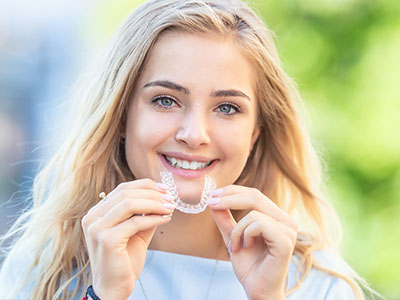
Invisalign® for Teens
Invisalign® for Brides

Invisalign® for Travelers
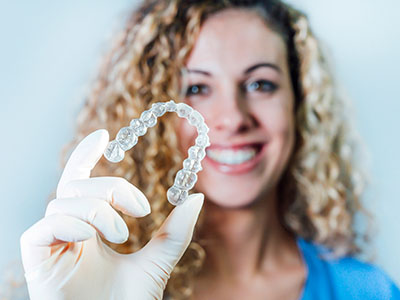
Before & After Photos
Invisalign® Videos
FAQs
Invisalign® vs Braces
Invisalign® vs Direct-To-Consumer Aligners
Is Invisalign® Right For Me?
Invisalign® Costs
Every Invisalign® treatment begins with a detailed assessment and a digital record of the mouth. High-resolution intraoral scanning replaces traditional impressions in most cases, capturing the exact position of teeth and bite relationships. That scan becomes the foundation for a computer-generated treatment plan that charts a series of small, controlled tooth movements from the initial position to the desired outcome.
Digital planning lets your clinician visualize each step and make adjustments before aligners are produced. These planned movements are translated into custom-made aligners that change every one to two weeks, depending on the prescribed protocol. Because each aligner shifts teeth only slightly, the approach emphasizes gradual, biologically sound movement that the body can accommodate comfortably.
Another advantage of digital planning is the ability to preview outcomes. Software tools can show how the teeth will move over time and allow the dental team to refine the sequence. This predictability supports more efficient visits and clearer expectations for the patient throughout treatment.
Clear aligners are effective for a wide range of alignment concerns, from mild crowding to spacing and certain bite irregularities. They can correct rotations, tipping, and some vertical issues, making them a versatile option for many adult patients and adolescents with the appropriate clinical evaluation. The final decision about suitability is based on the unique anatomy and functional needs of each mouth.
Complex bite problems sometimes require combined approaches—orthodontic auxiliaries, staged orthodontics, or coordination with restorative treatment—so candidacy should be determined by a comprehensive clinical exam. A careful occlusal analysis helps ensure that alignment changes improve both appearance and long-term function, not just tooth position.
Because aligners are removable, they can be a strong choice for people who value oral hygiene access and dietary freedom. Unlike fixed brackets, aligners allow regular brushing and flossing without special tools, which supports periodontal health during treatment.
Treatment timelines vary with case complexity and patient compliance. Regular check-ins with the dental team monitor progress and allow for refinements to the plan when needed.
Getting used to wearing removable aligners is straightforward for most patients. The general guideline is to wear them for the majority of the day—typically 20 to 22 hours—removing them only for eating, oral hygiene, and brief activities where a snug fit could be problematic. Consistent wear is the key factor that determines how closely actual results match the planned movement.
To make compliance easier, many patients keep a small case with them and set reminders for aligner changes. If an aligner feels tight at first, that pressure is usually a sign it is working; any prolonged or severe discomfort should be reported to the dental team for evaluation.
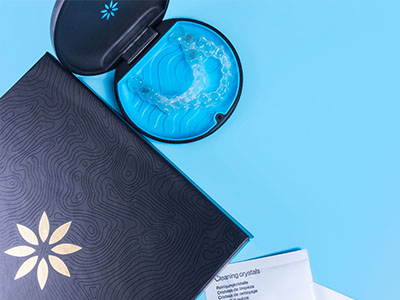
Cleaning aligners is simple: rinsing and a gentle brush using nonabrasive soap or the manufacturer’s cleaning crystals will help maintain clarity and hygiene. Avoid hot water, which can warp the plastic.
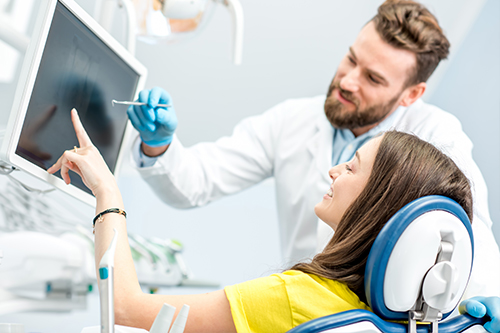
Periodic visits allow your provider to confirm that the teeth are moving as planned and to capture any adjustments that may be needed. These appointments are often shorter than traditional orthodontic visits because there are no wires or bracket adjustments—care focuses on verification, aligner fit, and any necessary refinements to the treatment sequence.
Digital scans or photographs taken during follow-up visits provide visual records and let the clinical team compare current positions with the expected progression. If certain movements require refinement, the treatment plan can be modified and new aligners manufactured to keep the case on track.
Open communication is important: reporting a lost aligner, sharp edges, or unexpected changes early helps minimize interruptions and supports a smooth outcome.
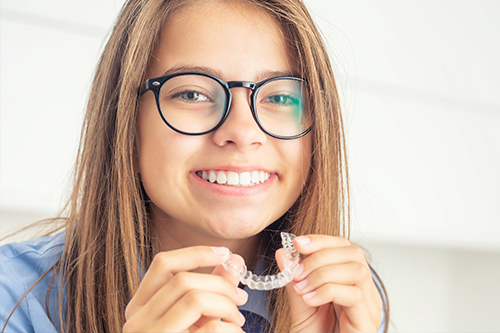
Aligners are engineered from advanced thermoplastic materials that combine resilience with a thin, low-profile design. These materials are selected to deliver consistent force over the course of each aligner’s wear cycle while maintaining comfort and aesthetic discretion.
Attachments—small, tooth-colored features bonded to specific teeth—are sometimes used to provide additional grip and control for particular movements. When required, attachments are planned digitally and placed in positions that minimize visibility while improving effectiveness.
The combination of tailored aligner geometry and selective attachments enables a high degree of control that was previously available only with fixed appliances in some cases.

The first visit for active treatment typically includes final records, aligner delivery, and detailed instructions on wear and care. Many patients receive several sets at once with a schedule for when to change them, and the team will demonstrate insertion and removal to build confidence.
Initial adjustment may involve mild soreness as teeth begin to move, which usually subsides within a few days. Over-the-counter analgesics and eating softer foods temporarily can help during this period, and guidance from the dental team ensures any unexpected issues are addressed promptly.
Success depends on a combination of an accurate treatment plan, consistent aligner wear, and regular clinical oversight to confirm progress and implement refinements when necessary.
Short educational and procedural videos that demonstrate treatment steps and aligner technology
*Invisalign® is a registered trademark of Align Technology, Inc.
Choosing Invisalign® is as much about the technology as it is about clinical judgment and ongoing care. When planned and monitored thoughtfully, clear aligners provide a discreet, hygienic, and reliable path to improved alignment and oral function. If you’d like to learn how this approach might fit your needs, contact us for more information and to arrange a consultation with our team.
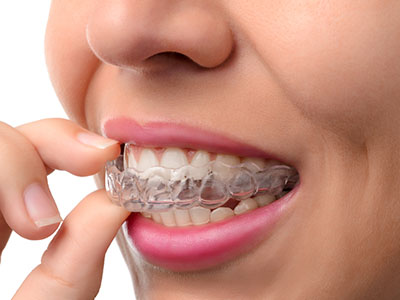
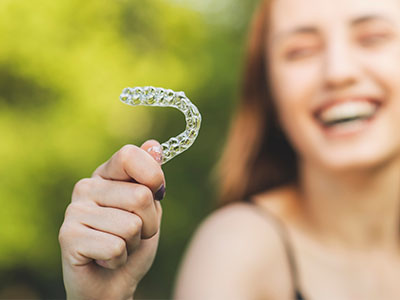
Invisalign® is a system of clear, removable aligners that progressively shift teeth by applying controlled forces in a planned sequence. Each aligner is worn for a set period before being replaced by the next tray in the series, producing small, staged movements toward the desired tooth positions. The overall process is guided by a clinician using a digital treatment plan that anticipates the required movements from start to finish.
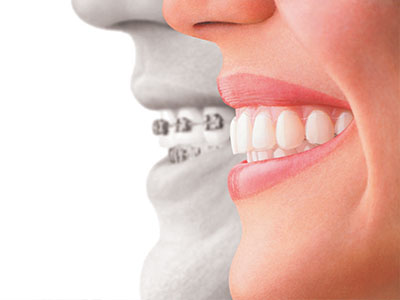
Because the aligners are virtually transparent and removable, they offer a discreet alternative to traditional braces while allowing normal oral hygiene and dietary practices. The rigid treatment plan and custom-fit trays help maintain predictable tooth movement when patients follow the prescribed wear schedule. Clinical oversight and periodic reviews ensure that the staged movements remain biologically appropriate and functional.
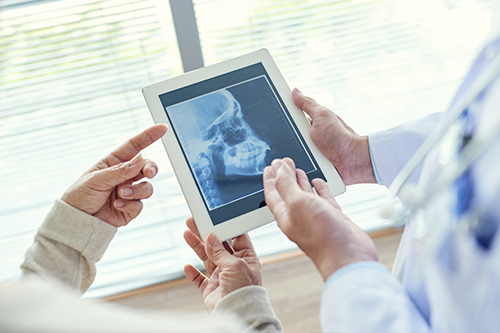
Many adults and a large number of adolescents are strong candidates for Invisalign®, especially when concerns include mild to moderate crowding, spacing, and certain bite irregularities. Suitability depends on the individual anatomy, the complexity of the malocclusion, and the patient’s commitment to wearing the aligners as directed. A comprehensive clinical exam, including bite analysis and digital imaging, determines whether clear aligners are the most appropriate option.
Cases that involve highly complex skeletal discrepancies or severe bite problems may require additional orthodontic techniques, auxiliaries, or staged care coordinated with other dental specialties. Compliance is an important consideration because the removable nature of aligners requires consistent wear to match the planned movements. The clinician will review expectations and discuss alternatives if aligner therapy is not the ideal choice for functional or long-term stability reasons.
Digital intraoral scanning replaces traditional impressions in most Invisalign® workflows and produces a precise 3D model of the teeth and bite relationships. That digital record becomes the foundation for a computerized treatment plan that maps each incremental tooth movement and sequences the custom aligners. Clinicians can review and adjust the virtual plan, anticipate challenges, and refine movements before the aligners are manufactured.
Software simulations can also help patients visualize projected outcomes and help the dental team decide on attachments or staging strategies when needed. Progress can be compared to the original plan using periodic scans or photographs, allowing timely refinements and the manufacture of additional aligners when necessary. This digital approach enhances predictability and helps minimize unexpected deviations during active treatment.
Attachments are small, tooth-colored composite features bonded to certain teeth to give the aligner a secure grip and provide leverage for specific movements. They are commonly used to assist with rotations, vertical movements, or when greater force control is necessary to achieve a planned tooth position. Attachments are designed and placed based on the digital treatment plan to optimize effectiveness while minimizing visibility.
Placement is usually quick and conservative, and attachments are removed once the required movements are complete or the restorative plan calls for their removal. Patients may notice slight changes in aligner fit where attachments are present, but these are intentional and improve the predictability of treatment. The clinician will explain the purpose of each attachment and how they fit into the overall plan.
The standard recommendation for Invisalign® wear is generally 20 to 22 hours per day, which means aligners are removed mainly for eating, drinking anything other than plain water, and oral hygiene. Consistent daily wear is the primary factor that determines whether real progress matches the planned treatment sequence. Skipping wear or frequently removing aligners for long periods can slow movement and extend treatment time.
Many patients find it helpful to carry a protective case and set reminders for aligner changes to maintain compliance. If travel or special circumstances arise, planning ahead with the clinical team helps prevent missed wear time. Any concerns about fit or comfort should be reported promptly so the team can assess and advise on the best course of action.
Maintain aligner clarity and hygiene by rinsing them after removal and gently brushing with a soft brush using nonabrasive soap or the manufacturer’s cleaning crystals. Avoid hot water, as heat can deform the thermoplastic material and compromise fit and effectiveness. Do not use abrasive toothpaste or strong household cleaners that can scratch or cloud the aligner surface.
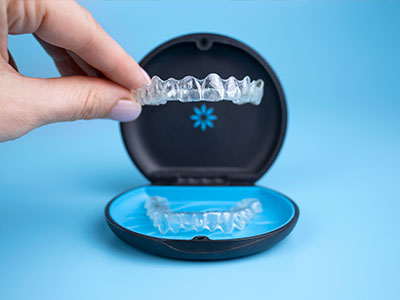
Always store aligners in their case when not in use to protect them from damage and contamination, and remove them before eating and before brushing and flossing to protect both teeth and restorations. Regular oral hygiene and professional cleanings support periodontal health during treatment and reduce the risk of staining or plaque accumulation. If an aligner feels rough or has sharp edges, contact your dental team for evaluation.
Appointment frequency varies by case complexity and the practice’s monitoring protocol, but many patients have check-ins every four to twelve weeks to verify fit and progress. These visits are often shorter than traditional orthodontic appointments because the focus is on evaluation, digital scans or photographs, and any necessary plan adjustments rather than bracket or wire changes. Remote monitoring options may also supplement in-office visits for suitable cases.
At Zhukovsky Dental in Brooklyn, digital records and periodic reviews help the team confirm that the treatment is proceeding as intended and allow timely refinements when movements deviate from the plan. Open communication about wear, comfort, and any concerns between scheduled visits helps prevent setbacks and keeps the case on schedule. The clinician will outline a specific follow-up schedule during the consultation and update it as needed throughout treatment.
If an aligner is lost or damaged, contact your dental team as soon as possible so they can advise whether to move forward with the next tray or revert to the previous aligner temporarily. Prompt communication limits unwanted movement and helps the clinician decide if replacement trays are needed or if the current sequence can continue. Avoid wearing a warped or visibly damaged aligner, as a poor fit can produce unintended tooth movement.
Depending on the stage of treatment and the available inventory, the team may order a replacement or provide instructions to maintain alignment until new trays arrive. Document any changes or symptoms and follow the clinician’s guidance closely to minimize treatment interruption. Quick reporting and adherence to instructions help preserve the original treatment timeline and outcome.
Yes. Invisalign® is often coordinated with restorative, periodontal, or surgical care to address comprehensive oral health and aesthetic goals. Examples include timing restorative work to coincide with final tooth positions, managing periodontal health before or during movement, and using auxiliaries or attachments as part of a combined orthodontic-restorative plan. Complex bite problems may require staged approaches or collaboration among specialists to ensure functional and stable results.
Effective coordination begins with comprehensive treatment planning that considers occlusion, tooth structure, and long-term maintenance. The clinical team will evaluate whether aligner therapy should be sequenced around other procedures or modified to accommodate planned restorations. At Zhukovsky Dental the doctors collaborate across disciplines to design integrated plans that prioritize both appearance and long-term function.
After active aligner therapy, retention is essential to maintain tooth position; the clinician will prescribe a retainer regimen that may include removable clear retainers or a fixed bonded retainer depending on the case. Retention protocols are individualized and often start with full-time wear for a defined period followed by gradual transition to night-only wear. The goal of retention is to stabilize the teeth while surrounding tissues adapt to the new positions.
Periodic follow-up appointments help the team assess retainer fit and long-term stability, and they provide an opportunity to address any restorative or hygiene needs that support a lasting result. Maintaining good oral hygiene and attending routine dental visits are important for preserving both alignment and overall oral health. The clinician will review ongoing expectations and offer guidance tailored to the patient’s anatomy and lifestyle.
Please enter your zip code or city, state below for door-to-door directions.