




Call Us
Office Hours
Monday
10:00 am - 7:30 pm
Wednesday
10:00 am - 7:30 pm
Friday
10:00 am - 7:30 pm
Saturday
10:00 am - 3:00 pm
Please enter your zip code or city, state below for door-to-door directions.

Deciding to remove a tooth is never taken lightly. Our goal is always to preserve natural teeth whenever possible, but there are circumstances where extraction protects your oral health and prevents more serious problems down the road. At Zhukovsky Dental, we evaluate each case with attention to function, comfort, and long-term outcomes so patients can make informed choices about their care.
Extraction may be necessary to eliminate persistent pain, stop an infection from spreading, or prevent damage to neighboring teeth and supporting bone. Sometimes the best path forward is removal followed by a thoughtful plan to restore chewing function and appearance. We prioritize conservative options and only recommend extraction when other treatments are unlikely to succeed or pose greater risks.
Understanding the reasons behind a recommendation helps patients feel more comfortable with the process. Below are the common scenarios that lead us to consider extraction; each entry explains the underlying concern and how removal supports a healthier mouth.
Primary (baby) teeth that won’t come out on schedule
Occasionally a primary tooth remains firmly attached past the time its permanent successor needs space to erupt. When a baby tooth’s roots fail to resorb or the tooth becomes fused to the jaw, it can block proper development of the adult tooth and lead to alignment problems. Removing an over-retained primary tooth at the right time can guide normal eruption and avoid more complex orthodontic treatment later.
Severe decay with little remaining structure
When decay advances beyond the point where a tooth can be restored, removal may be the most predictable option to eliminate pain and infection. Extensive breakdown of tooth structure or involvement of the root and surrounding tissues can make restorative procedures unreliable, so extraction protects overall oral and systemic health.
Teeth that are fractured beyond repair
A deep fracture that extends below the gumline or into the root may leave insufficient tooth to rebuild. In those cases, extracting the tooth prevents persistent pain and recurrent infection. After healing, we will discuss replacement options to restore function and appearance.
Advanced periodontal disease weakening the tooth’s support
Periodontal (gum) disease is a leading cause of tooth loss. When bone and ligament supporting a tooth are severely compromised, the tooth may become loose and cause ongoing inflammation. Extracting a hopeless tooth can stop the spread of disease and create a healthier environment for remaining teeth.
Wisdom teeth that are impacted or causing problems
Third molars often emerge too late or without enough room, becoming impacted, decayed, or a source of crowding and infection. Early removal of problematic wisdom teeth can prevent damage to adjacent teeth and reduce the risk of recurrent infections.
Teeth removed to improve alignment
In some orthodontic plans, removal of one or more permanent teeth creates space to align the bite more effectively. When extraction is part of an intentional, multidisciplinary approach, it helps achieve a more stable, functional, and attractive result.
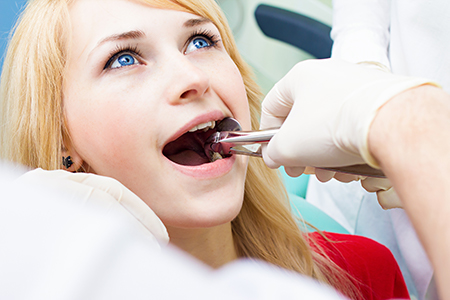
Before any extraction, we perform a thorough review of your dental and medical history and take appropriate radiographs to understand root shape, bone levels, and nearby anatomy. Knowing about medical conditions and medications is essential; sometimes medical clearance or temporary medication adjustments are necessary to keep you safe during and after the procedure.
Comfort and clear communication are priorities. We explain the steps of the procedure and answer questions so you know what to expect. Local anesthesia is typically used to numb the area completely; for patients who experience anxiety or prefer extra relaxation, we offer sedation options and will discuss them during the pre-procedure consultation.
Our approach is tailored: some extractions are straightforward and quick, while others require a surgical approach. We plan each case with the goal of minimizing trauma, protecting surrounding tissues, and supporting efficient healing so you can return to normal activities as soon as possible.
A simple extraction is used when a tooth is fully visible in the mouth and the root anatomy is favorable. After numbing the tissues, the dentist gently loosens the tooth and uses specialized instruments to remove it. The focus is on careful technique to preserve bone and soft tissue, which helps with comfort and speeds recovery.
Surgical extractions address teeth that are broken at the gumline, impacted, or fused to bone. The procedure may involve a small incision and removal of a bit of bone to access the tooth. In complex cases we coordinate care with an oral surgeon. Patients receive appropriate anesthesia, and we discuss post-operative expectations and pain control before proceeding.
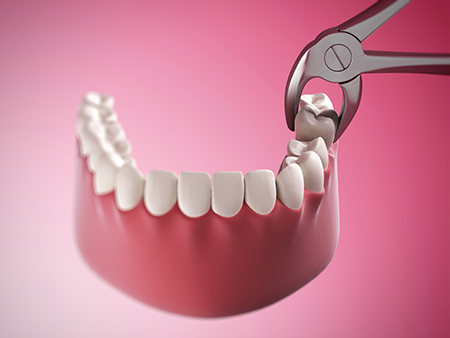
Recovery follows predictable stages: initial bleeding and clot formation, gradual reduction of swelling, and tissue repair. Following directions helps prevent complications and supports the fastest, most comfortable recovery. We provide clear, personalized post-operative instructions and are available to address concerns that may arise.
Expect some soreness that improves over several days, and plan on a short period of rest immediately after the procedure. Over-the-counter pain relievers are often sufficient, but stronger prescribed medications may be used when needed. Always follow dosing instructions and let us know if pain feels out of proportion to what was expected.
Good wound care and avoiding habits that disturb the new clot are crucial. Below are practical steps most patients follow after a typical extraction; your dentist may tailor these guidelines to your specific case.
Controlling bleeding
We provide gauze to place over the site and ask that you bite gently to apply pressure. Change gauze when prompted and maintain light pressure until bleeding lessens. A small amount of oozing for 24 hours can be normal; contact us if bleeding is heavy or persistent.
Protect numb tissues
Avoid chewing, touching, or sucking on the area until the local anesthetic wears off to prevent accidental injury to lips, cheeks, or tongue.
Medications and infection prevention
If antibiotics are prescribed, complete the full course. Take pain medication as directed and consider taking an analgesic before numbness completely subsides to stay ahead of discomfort.
Protect the clot
Do not rinse vigorously, spit forcefully, or use a straw for the first 24–48 hours. These actions can dislodge the clot and delay healing.
Reduce swelling
Applying ice to the outside of the face in short intervals during the first day helps limit swelling. Warm compresses can be used later if advised.
Avoid tobacco
Smoking and vaping impede healing and increase the risk of complications. Refrain from tobacco use for at least a week after surgery when possible.
Diet and hydration
Stick with cool, soft foods the first day or two and avoid very hot or spicy items. Stay well hydrated and introduce firmer foods gradually as comfort allows.
Oral hygiene
Gently brush unaffected areas and avoid disturbing the extraction site. After 24–48 hours, a mild saltwater rinse can help keep the area clean—use gentle swishing rather than forceful rinsing.
Follow-up care
If stitches were placed or if your case requires monitoring, keep your scheduled follow-up appointment so healing can be assessed and any necessary next steps can be planned.
Contact the office if you notice worsening pain, increasing swelling, fever, or any unusual symptoms. Prompt communication helps us address concerns early and keeps healing on track.
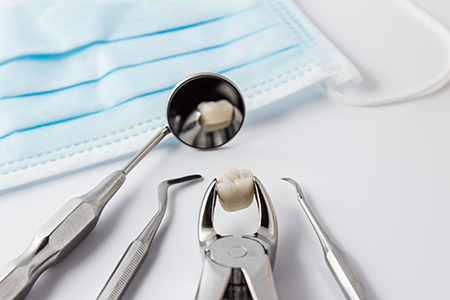
Once an extraction site has healed, restoring the missing tooth is often recommended to preserve bite function and prevent shifting of adjacent teeth. Replacement options range from removable solutions to fixed bridges and dental implants. We will review appropriate choices based on your health, bone levels, and long-term goals.
Dental implants are a durable option that mimic the form and function of natural teeth, while bridges and dentures can be effective alternatives in certain situations. The right choice depends on factors like the condition of nearby teeth, jawbone health, and personal preferences; we collaborate with patients to develop a practical, individualized plan.
In many cases, planning for replacement before or shortly after extraction improves outcomes—preserving bone and soft tissue where possible makes later restoration more predictable and esthetically pleasing.
Patients benefit from coordinated care that emphasizes safety, clear communication, and gentle technique. The team at the office of Zhukovsky Dental combines modern diagnostic tools with experienced clinical judgment to deliver treatment that prioritizes comfort and long-term oral health.
We take time to explain options, prepare you for each phase of care, and support recovery with practical guidance. If specialty care is indicated, we coordinate referrals so the transition is smooth and predictable.
Our objective is to help you leave the appointment with pain relieved, a clear plan for restoration if needed, and confidence in the steps ahead. We focus on predictable results and compassionate care at every stage.
Summary — Tooth removal can be an important step toward better oral health when conservative measures are insufficient. This page outlines why extractions are recommended, what to expect before and during the procedure, practical aftercare, and options for replacing a missing tooth. If you have questions or would like more information about extractions and your treatment choices, please contact us for assistance.
Tooth extraction becomes necessary when conservative treatments cannot reliably resolve pain, infection, or structural damage. Common reasons include extensive decay that leaves little tooth to restore, fractures that extend below the gumline, advanced periodontal disease that has destroyed supporting bone, and impacted wisdom teeth that threaten adjacent teeth. Extractions are also used when a primary tooth won’t exfoliate on schedule or when teeth must be removed as part of an orthodontic plan to create space.
Before recommending removal, the dentist evaluates your overall oral and medical condition, reviews radiographs, and discusses alternative treatments when feasible. The goal is always to preserve natural teeth when possible, so extraction is presented as the most predictable option only after other approaches are deemed unlikely to succeed. If extraction is recommended, the team will explain the reasons, outline the procedure, and plan for restoration if appropriate.
A simple extraction is performed on a tooth that is fully visible in the mouth and has a straightforward root configuration; after numbing the area, the dentist uses instruments to loosen and remove the tooth with minimal tissue disruption. Surgical extraction is used for teeth that are broken at the gumline, impacted, or fused to bone and commonly requires an incision, removal of a small amount of bone, or sectioning of the tooth for safe removal. Surgical cases may take longer and require more planning to protect nearby structures and optimize healing.
The choice between simple and surgical technique is guided by clinical exam and radiographs taken before the appointment. Both procedures prioritize atraumatic technique to preserve bone and soft tissue when possible, which supports faster recovery and better outcomes for later restoration. In complex situations we coordinate care with an oral surgeon to ensure appropriate expertise and anesthesia options are available.
Preparation begins with a complete medical and dental history so the team can identify conditions or medications that affect safety and healing. Bring a current list of medications and let us know about bleeding disorders, heart conditions, recent surgeries, or any prescribed blood thinners, as adjustments or medical clearance may be needed. Imaging such as periapical films or a CBCT scan helps the dentist assess root shape, bone levels, and proximity to nerves before the procedure.
If you plan to use sedation, follow fasting instructions and arrange for a responsible adult to drive you home and stay with you after the appointment. Wear comfortable clothing and avoid heavy meals or alcohol before sedation. The office of Zhukovsky Dental will review all preoperative instructions with you and answer questions to ensure you feel prepared and safe.
On the day of the procedure, you will receive a review of the treatment plan and any final questions will be addressed before anesthesia is administered. Local anesthesia numbs the area so you should not feel pain during the extraction; for patients who are anxious or need additional relaxation, nitrous oxide or oral/intravenous sedation may be offered and discussed in advance. The actual removal is performed using careful, controlled techniques to minimize trauma to surrounding tissues and preserve bone when possible.
Short procedures are often completed in a single visit, while more complex surgical extractions may require longer appointment times and additional postoperative instructions. Gauze will be placed to control bleeding and instructions about biting pressure, activity, and medications will be reviewed before you leave. The team will schedule follow-up care as needed to check healing and plan any restorative treatment.
Initial healing focuses on clot formation and protecting the socket; bite gently on the provided gauze to control bleeding and change it as directed until bleeding subsides. Manage swelling with intermittent ice packs during the first 24 hours and keep your head elevated while resting to reduce discomfort. Eat soft, cool foods and avoid chewing on the extraction side until healing advances, and refrain from smoking or using straws which can dislodge the clot.
Maintain oral hygiene by gently brushing teeth away from the surgical site and begin saltwater rinses 24–48 hours after the procedure to keep the area clean without disturbing the clot. Take prescribed or recommended pain medications and complete any antibiotic regimen if one was issued to reduce infection risk. Follow your dentist’s written aftercare instructions and attend scheduled follow-up visits to confirm proper healing.
Most extractions heal without significant problems, but potential complications include prolonged bleeding, infection, dry socket (loss of the clot), numbness from nerve irritation, and delayed healing in medically compromised patients. A dry socket typically causes increasing pain a few days after extraction and may require in-office treatment to promote comfort and healing. Infection can present with worsening pain, swelling, fever, or drainage and may require antibiotics or additional care.
Contact the office promptly if you experience heavy bleeding that does not respond to pressure, fever, uncontrolled or worsening pain despite medication, progressive swelling, or numbness that persists longer than expected. Early communication allows us to address concerns quickly and reduce the chance of more significant problems. We make postoperative instructions clear and provide guidance for when urgent assessment is needed.
Replacing a missing tooth is often recommended to restore chewing function, prevent shifting of adjacent teeth, and maintain proper bite relationships. Options include dental implants, fixed bridges, and removable dentures or partials, and the right choice depends on your oral health, bone volume, adjacent teeth condition, and personal goals. Planning for replacement is typically coordinated after the extraction site has healed sufficiently, though in many cases pre-extraction planning improves final outcomes.
In situations where preserving bone and soft tissue is important for esthetics or future implant placement, the dentist may discuss timing for grafting or immediate provisional solutions. Dental implants offer a durable solution that helps preserve jawbone but require adequate healing time and sometimes additional procedures such as bone grafting. Your provider will outline a timeline for restoration based on healing progress and diagnostic findings.
Pain after an extraction is commonly controlled with over-the-counter analgesics such as acetaminophen or NSAIDs; stronger prescription pain medication may be provided for more extensive procedures when appropriate. Antibiotics are prescribed only when there is a clear indication of infection risk or established infection, and they should be taken exactly as directed to be effective. Applying ice intermittently and resting in the first 24 hours helps limit swelling and discomfort while soft foods and gentle hygiene support recovery.
Follow-up communication ensures pain and signs of infection are monitored and treated promptly if they arise. Inform your dentist of all medications, allergies, and medical conditions before the procedure so any potential interactions are identified and managed. If pain escalates or you develop fever, increasing swelling, or drainage, contact the office for evaluation and timely intervention.
Children’s extractions are tailored to their developmental needs, with special attention to behavioral guidance, age-appropriate communication, and the importance of preserving space for permanent teeth when indicated. Primary teeth may be removed when they impede the eruption of permanent successors, are severely decayed, or are injured; removal decisions consider future growth and orthodontic implications. Pediatric extractions often use gentle behavior management techniques, topical and local anesthesia, and when necessary, sedation appropriate for children.
Aftercare for children follows the same principles as adults—controlling bleeding, protecting the clot, and providing a soft diet—but parents receive specific guidance on activity restrictions, pain management dosing, and monitoring for complications. In some cases, space maintainers or early orthodontic consultation are recommended to guide proper dental development. The dental team works closely with families to ensure comfort, safety, and clear instructions for home care.
Zhukovsky Dental combines experienced clinicians, modern diagnostic tools, and a patient-centered approach to make extraction decisions that prioritize safety, comfort, and long-term oral health. The practice emphasizes clear communication, careful technique to preserve bone and soft tissue, and coordinated planning for rehabilitation when replacement is indicated. When cases require specialty care, we arrange referrals and collaborate to ensure seamless, evidence-based treatment.
Patients benefit from individualized treatment plans that consider medical history, radiographic findings, and restorative goals, with thorough preoperative instructions and postoperative support. Our objective is to relieve pain, protect surrounding structures, and establish a predictable path toward restoration when needed, so you can return to normal function with confidence. If you have questions about extractions or need an evaluation, the team will explain options and help you make an informed decision.
Please enter your zip code or city, state below for door-to-door directions.