




Call Us
Office Hours
Monday
10:00 am - 7:30 pm
Wednesday
10:00 am - 7:30 pm
Friday
10:00 am - 7:30 pm
Saturday
10:00 am - 3:00 pm
Please enter your zip code or city, state below for door-to-door directions.

Dental fillings do more than simply close a hole in a tooth. When decay or minor trauma removes healthy tooth structure, a carefully placed filling restores the tooth’s shape, protects the remaining enamel, and helps the tooth withstand everyday chewing forces. A well-executed restoration preserves bite stability and reduces the risk that the problem will progress to a more complex repair, such as a crown or root canal.
Because cavities remain one of the most common oral health issues across all ages, filling teeth is a foundational part of modern dental care. The goal is straightforward: remove diseased tissue, preserve as much healthy structure as possible, and return the tooth to reliable function with an appearance that blends into your smile. Advances in materials and techniques have made results both durable and discreet.
At Zhukovsky Dental, we emphasize conservative preparation and predictable outcomes. We evaluate each situation to determine whether a direct filling, an indirect inlay/onlay, or an alternative restoration is the best long-term solution for your tooth. Our approach is to combine clinical judgment with the least invasive treatment that will deliver lasting benefit.
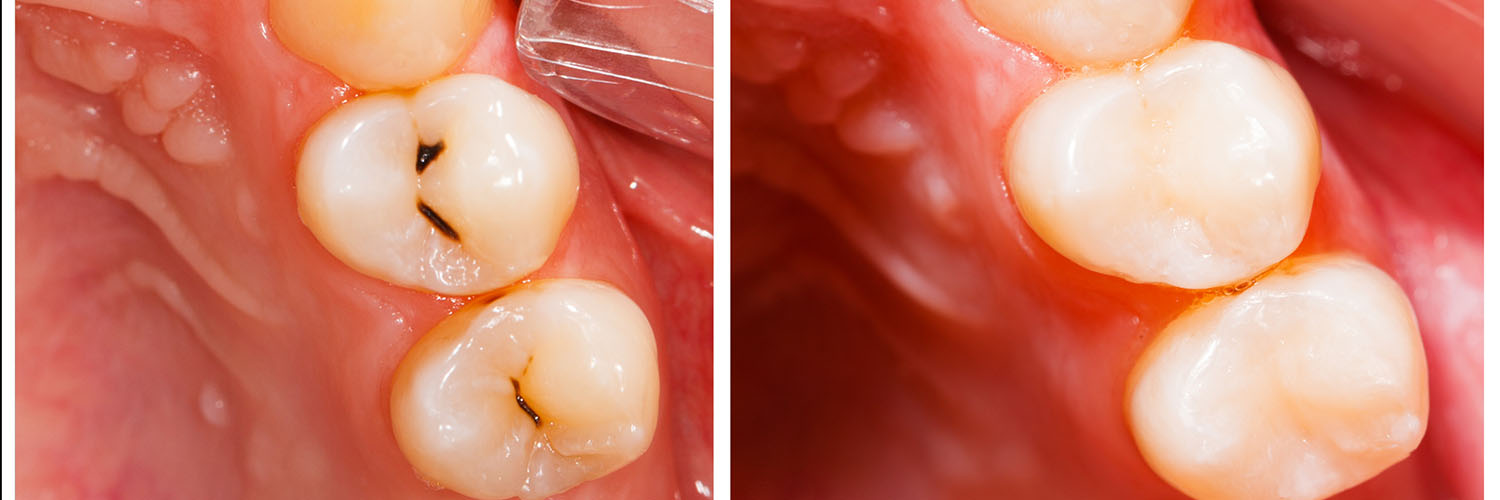
Not every filling material is right for every tooth. Materials differ in strength, wear resistance, aesthetics, and how they interact with the remaining tooth structure. Knowing the options helps you and your dentist choose a material that fits the location of the cavity, your bite, and your cosmetic goals.
We aim to present clear, practical information about the commonly used restoratives so you can make an informed decision. Below are the main types of materials selected today by clinicians for restorative work and why one might be chosen over another.
Composite fillings are made from a blend of resin and finely ground glass or ceramic particles. They are available in a variety of shades to match natural enamel, allowing restorations in visible areas to be nearly invisible. These fillings bond directly to tooth structure, which helps reinforce weakened areas and requires removal of less healthy tissue during preparation.
Composites work well for small to medium-sized cavities and for cosmetic repairs such as chipped corners or spacing adjustments. They are technique-sensitive, meaning careful placement and curing are essential for long-term success. With routine care, composites provide reliable service for many years.
Amalgam has a long history in dentistry because it is strong, resilient, and tolerates heavy chewing forces. It can be an appropriate choice for large cavities in back teeth where appearance is less critical and durability is a primary concern.
While amalgam is robust, it is silver in color and does not blend with natural tooth enamel. For patients prioritizing a discreet appearance, tooth-colored options are typically favored in visible areas of the mouth.
Glass ionomer materials bond chemically to tooth structure and release small amounts of fluoride over time, which can help protect adjacent enamel. They are particularly useful in locations where moisture control is difficult, such as near the gumline, and are commonly used for pediatric restorations and temporary repairs.
These cements are not as wear-resistant as composite or ceramic materials, so their use is usually limited to lower-stress areas or interim applications until a more durable restoration can be placed.
Ceramic restorations are fabricated outside the mouth and then bonded to the prepared tooth. They offer excellent color stability, high resistance to staining, and very good wear characteristics. Because they are made from porcelain or other dental ceramics, they can closely mimic the translucency and texture of natural enamel.
Indirect ceramic restorations are often selected when a cavity is too large for a direct filling but a full crown is not required. They conserve tooth structure while delivering a durable, aesthetic solution.
Gold is a premium restorative material with a long track record for longevity and biocompatibility. Gold restorations are crafted in a laboratory and can last many decades when properly maintained. They resist corrosion and are gentle on opposing teeth.
Because gold is highly visible and more costly to fabricate, it is less commonly chosen for restorations intended to be inconspicuous. When durability and precision fit are the priorities, gold remains a viable and time-tested option.
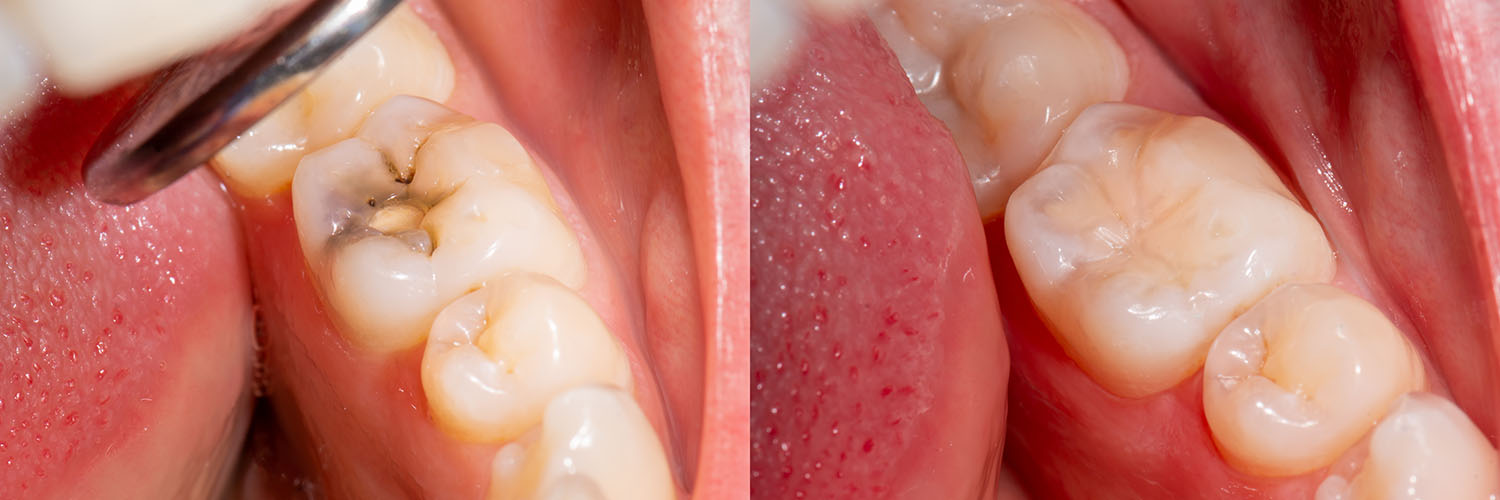
A typical filling appointment follows a clear sequence designed for safety, comfort, and efficiency. After a focused exam and review of X-rays if needed, the area is numbed with local anesthesia so you can remain comfortable throughout the procedure. We take time to make sure the tooth is fully relaxed before beginning.
Decay is removed using rotary instruments, air abrasion, or selective laser techniques depending on the situation and the material that will be placed. The preparation is conservative—only the compromised tissue is taken away—and the surface is shaped to allow the new material to bond securely.
Direct materials, such as composite or glass ionomer, are placed and hardened in layers. Indirect restorations like ceramic inlays require a laboratory step: the tooth is protected with a temporary restoration while the final piece is crafted, then the permanent restoration is bonded at a follow-up visit. Most direct filling appointments take well under an hour, though the exact time depends on the tooth and material chosen.
It is common for patients to feel apprehensive about dental procedures, and experienced dental teams plan for comfort at every step. Local anesthesia is the standard for pain control during fillings, and we’ll discuss additional options for relaxation if you experience significant anxiety. Clear communication and supportive techniques often make a big difference in how patients experience care.
Sensitivity following a restoration is normal for many people and usually resolves on its own within days to a few weeks. Sensitivity can result from the excavation of decay, close proximity to the nerve, or temperature-related reactions to certain materials. If sensitivity persists or intensifies, the dental team will reassess and recommend appropriate follow-up care.
Beyond immediate comfort, we focus on long-term stability. Properly contoured restorations, careful bite adjustment, and patient education about oral hygiene all contribute to the lifespan of a filling. When more extensive treatment is necessary, we explain alternatives and work with you to plan care that aligns with your health needs and lifestyle.
Once your filling is in place, sensible habits and routine maintenance will help it last. Keep up with twice-daily brushing, daily flossing, and regular professional cleanings so the surrounding tooth and gum tissues remain healthy. These simple steps reduce the risk of recurrent decay at the margins of a restoration.
Immediately after treatment, protect numb tissues until sensation returns and avoid very hard or sticky foods while the restoration is settling. If a temporary filling was placed, follow the specific instructions you were given and plan to return for the final restoration promptly. If you notice persistent roughness, a high bite, or discomfort when chewing, contact the practice so we can make careful adjustments.
Periodic clinical exams and X-rays help monitor the condition of existing restorations. Fillings can wear over time, and early detection of changes allows conservative repairs rather than more invasive solutions. With attentive home care and regular dental visits, many restorations provide long, reliable service.
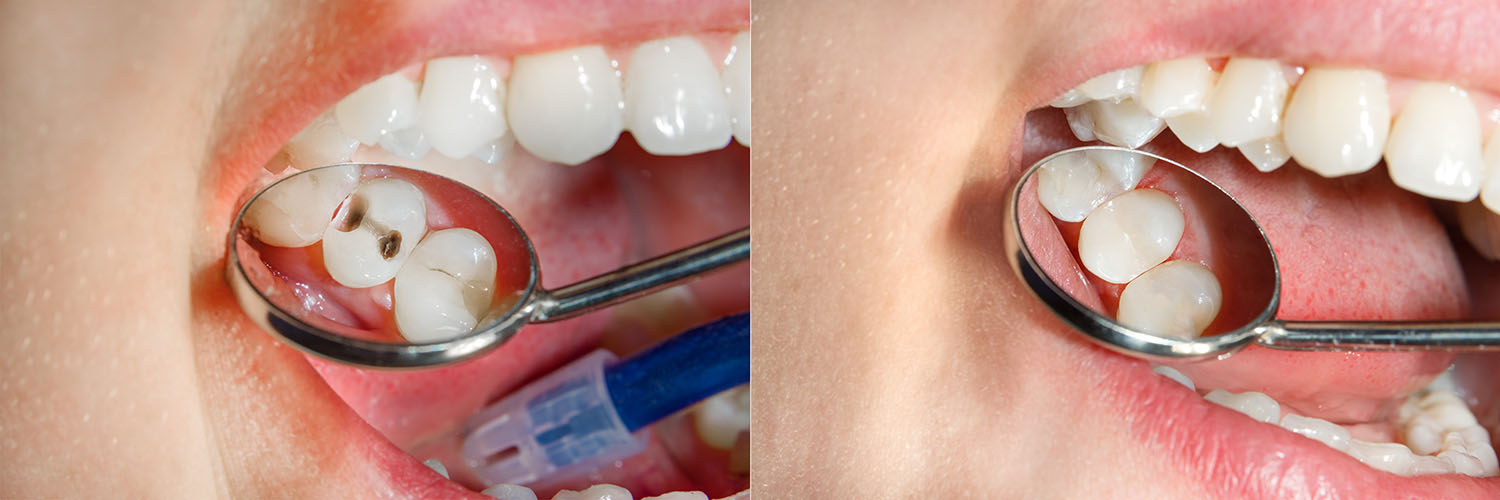
At Zhukovsky Dental, our focus is on delivering durable, natural-looking restorations while helping patients understand their options and feel confident about their care. If you’d like to learn more about which filling material is right for a particular tooth, or if you have questions about comfort and recovery, please contact us for additional information.
Dental fillings are restorative materials placed into a tooth to replace lost structure caused by decay or minor trauma. They restore the tooth's shape, protect remaining enamel, and help teeth withstand normal chewing forces. By sealing the defect, a filling reduces bacterial infiltration and lowers the chance that the problem will progress to more invasive treatments.
Modern filling techniques emphasize preserving as much healthy tooth structure as possible while creating a stable surface for the restoration. Depending on the extent of damage, treatment may be a direct filling, an indirect inlay or onlay, or an alternative restoration chosen for long-term durability. At Zhukovsky Dental, clinical judgment guides the selection so the least invasive option that provides lasting benefit is recommended.
A range of materials is available, each with distinct strengths, wear characteristics, and aesthetic qualities. Common choices include tooth-colored composite resins, dental amalgam, glass ionomer cements, lab-fabricated ceramics, and gold. Understanding the differences helps match the material to the tooth's location, the size of the defect, and patient priorities.
Composite resins bond to tooth structure and are versatile for visible areas, while amalgam remains durable for high-stress posterior restorations. Glass ionomer releases fluoride and can be useful where moisture control is difficult but is less wear-resistant than other options. Ceramic inlays and gold restorations are indirect solutions that can last many years when properly placed and maintained.
A typical filling visit starts with an exam and any necessary X-rays to evaluate the extent of decay. Local anesthesia is applied so the tooth is comfortable while the dentist removes diseased tissue using rotary instruments, air abrasion, or lasers as appropriate. The goal is a conservative preparation that leaves healthy structure intact and creates a stable surface for bonding or cementation.
Direct materials such as composite or glass ionomer are placed in layers and cured in the chair, while indirect restorations require an impression or digital scan and a brief temporary restoration. Patients typically return for final bonding of inlays or onlays when the laboratory piece is complete. Most direct fillings can be completed in under an hour, though larger or multiple restorations may require more time.
Discomfort during a filling is uncommon because local anesthesia numbs the area and allows procedures to be performed painlessly. The dental team can also offer topical anesthetics and discuss additional relaxation techniques for patients with dental anxiety. Open communication about sensations and comfort needs helps ensure a calm, controlled experience.
After the appointment some soreness or tenderness near the treated tooth and surrounding gum tissue is normal and usually settles within days to weeks. If you experience sharp, worsening pain, prolonged numbness, or signs of infection, contact the practice so the situation can be evaluated. Adjustments to the bite or a brief follow-up appointment often resolves functional discomfort.
The lifespan of a filling depends on the material, the size of the restoration, and oral habits such as grinding or heavy chewing. Small composite fillings may last many years with proper care, while larger restorations and posterior fillings are subject to greater wear. Regular dental exams and periodic X-rays let clinicians monitor margins and detect recurrent decay early.
Signs that a filling may need repair or replacement include roughness, a high bite, visible cracks, marginal staining, or sensitivity that does not improve. When problems are identified early, conservative repairs are often possible rather than full replacement with more invasive treatment. Your dentist will recommend the most appropriate approach based on clinical findings and the long-term prognosis of the tooth.
Immediately after a filling avoid chewing on the treated side until numbness subsides and resist very hard or sticky foods that could dislodge a new restoration. If a temporary filling was placed, follow the specific instructions provided and schedule the recommended follow-up for the permanent restoration. Maintaining gentle care while tissues recover helps reduce the risk of irritation or accidental damage.
Long-term care includes twice-daily brushing with fluoride toothpaste, daily flossing, and routine professional cleanings to keep the surrounding tooth structure healthy. Managing habits such as nail-biting, using teeth as tools, or chewing ice can significantly extend the life of restorations. Regular dental visits allow early intervention if a filling shows wear or new decay develops at the margins.
Transient sensitivity after a filling is common and may arise from the removal of decay, proximity to the nerve, or thermal responses to the restorative material. This sensitivity typically diminishes over several days to a few weeks as the tooth adapts. Over-the-counter analgesics and desensitizing toothpaste often provide symptom relief during this period.
If sensitivity intensifies, persists beyond a few weeks, or is accompanied by swelling or severe pain, the tooth should be re-evaluated as it may indicate deeper inflammation or the need for endodontic treatment. The dental team can perform tests to determine the source of discomfort and recommend targeted care to protect the tooth's long-term health. Prompt follow-up helps avoid progression to more extensive procedures.
When treating children, dentists consider both material selection and behavior management to provide durable, comfortable restorations. Glass ionomer cements are commonly used for primary teeth in certain situations because they bond chemically and release fluoride. For older children or permanent teeth, tooth-colored composites are often preferred for their durability and aesthetic match.
Behavioral strategies such as tell-show-do, appropriate local anesthesia, and a gentle chairside approach support a positive experience for young patients. Regular preventive care, fluoride treatments, and dental sealants reduce the likelihood of cavities that require fillings. Early monitoring and minimally invasive treatments help preserve tooth structure and set the stage for long-term oral health.
A filling may not be suitable when decay is extensive, a large portion of the tooth is missing, or a cusp is cracked or undermined. In those cases an inlay, onlay, or full crown provides greater strength and protection for the remaining tooth structure. Endodontic therapy (a root canal) may be necessary if decay has reached the nerve before placing a definitive restoration.
Indirect restorations are fabricated to precisely fit the prepared tooth and can conserve more healthy structure compared with full crowns in some situations. Your dentist will assess tooth anatomy, bite forces, and long-term prognosis to determine whether a filling or a more substantial restoration is the best option. The goal is to choose a solution that maximizes durability while preserving as much natural tooth as possible.
Choosing the best filling material involves balancing durability, appearance, location in the mouth, and how much tooth structure remains. Posterior teeth that handle heavy chewing forces often require materials with superior wear resistance, while front teeth prioritize color match and translucency. Allergic reactions are rare, but share any known material sensitivities with your dentist so they can select an appropriate option.
A personalized consultation is the most reliable way to select a filling material based on clinical factors and your cosmetic goals. The office of Zhukovsky Dental evaluates each case and explains the advantages and limitations of available materials to help you make an informed decision. When you understand the trade-offs, you and your dentist can choose the approach that best preserves tooth health and function.
Please enter your zip code or city, state below for door-to-door directions.